The best place to start an Egypt tour is Cairo, home to the Giza pyramids, the Sphinx and the Egyptian Museum. From there most itineraries fly south to Luxor and Aswan for a Nile cruise, and optionally add the Red Sea. Decide your dates, must-see sites and comfort level first.
If you have ever stared at a map of Egypt and felt torn between the pyramids, the temples of the south, and the reefs of the Red Sea, you are not alone. The good news is that a great Egyptian holiday rarely comes down to picking a single “right” route. It comes down to sequencing a few smart decisions in the right order. Get those early choices settled and the rest of the trip tends to fall into place on its own.
This guide walks you through where to start when planning an Egypt tour, from setting a realistic budget to mapping a north-to-south flow that keeps you moving with the current rather than against it. Whether you want a fully guided experience or a semi-independent trip with expert help only on the busy days, the framework below will save you time, money and needless stress.
First Decisions: Budget, Timing and How Long to Stay
Before you compare hotels or scroll through cruise photos, lock in three numbers: what you can comfortably spend, when you can travel, and how many full sightseeing days you actually have. These three answers quietly shape every other choice, so treat them as your foundation rather than an afterthought.
Choosing the Right Season
Egypt has a genuine peak season and a genuine off-season, and knowing the trade-offs helps you plan with your eyes open.
- Winter (roughly December to February): The most comfortable temperatures for full days at open-air sites, but also the busiest and priciest window. Book well ahead.
- Spring: A sweet spot. Warm, pleasant weather with thinner crowds, ideal for covering a lot of ground.
- Summer: Very hot, especially in Upper Egypt, yet noticeably cheaper and quieter. With early starts and shaded midday breaks it is entirely workable.
- Autumn: Cooling temperatures and moderate crowds, another strong choice for long touring days.
How Many Days You Really Need
There is no perfect number, but a few benchmarks help you plan:
- Five days is enough to pair Cairo with the headline sights of Luxor without feeling rushed.
- Seven days lets you fold in Aswan, or carve out a Red Sea rest day to recharge.
- Ten days opens the door to a Nile cruise segment and slower, more relaxed mornings.
A practical habit: treat your arrival and departure days as light half-days rather than packing them with major sites, and try to base yourself in just one or two cities to cut down on constant repacking.
Visas, Flights and a Calm Arrival
A smooth first day begins with a few decisions made well before you land. Sort your visa, your flight connections and your first hour at the airport, and the rest of the trip starts on the right foot.
E-visa or Visa on Arrival?
Start by checking that your passport has plenty of validity left. Many nationalities, including travellers from the United States, can choose between an e-visa arranged online in advance or a visa on arrival at the airport. Both routes are widely used and accepted. If you would rather skip any uncertainty at the immigration desk, applying for the e-visa ahead of time gives you one less thing to think about.
Booking International and Domestic Legs
Secure your international flights into Cairo early, when schedules and fares are at their best. From there, short domestic flights to Luxor or Aswan can save you an entire travel day compared with the road. If you enjoy the romance of rail, overnight sleeper trains run the Nile corridor and make a comfortable alternative worth comparing on price, timing and comfort.
Your First Hour on the Ground
As soon as you clear the formalities, do two things: pick up a local SIM card and withdraw some Egyptian pounds from a proper bank ATM in the arrivals hall. That combination gives you maps, ride-hailing apps and small change for tips straight away. Use an official taxi or a pre-arranged transfer into the city, keep your documents handy for security checks, and remember to stick to bottled or filtered water from the very first day.
Independent, Guided, or a Bit of Both?
How much structure you want is a personal call, and there is no wrong answer. For most first-time visitors, though, a hybrid rhythm tends to win.
Going It Alone
Independent travel hands you complete control over pace, meals and spontaneous detours. You can linger at whatever captivates you and skip whatever does not. The trade-off is logistics: navigation, tickets and timing all fall on you, and at dense, complex sites those small tasks can eat into the hours you came to enjoy.
The Hybrid Approach
The most comfortable model for newcomers is often the middle path. Book your own flights and hotels for flexibility, then bring in a licensed private guide and driver for the demanding days, such as a full day around the Giza plateau or a two-bank blitz in Luxor. You keep your freedom while gaining expert context and someone else to handle the driving exactly when it matters most.
Mapping Your Must-See Sights
Rather than chasing everything, list the handful of places you genuinely care about, then cluster nearby sites together so each day flows logically.
Cairo and Giza
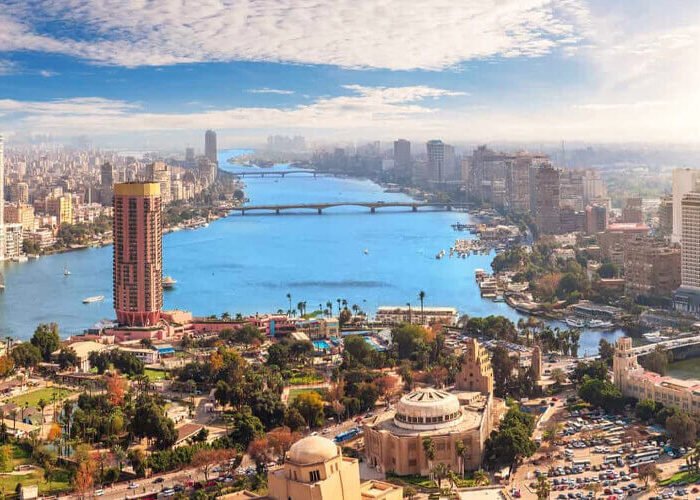
The Pyramids and the Sphinx anchor most first trips. Give the Giza complex a full day of its own, and set aside a separate day for the Egyptian Museum along with the Islamic and Coptic quarters of old Cairo.
Luxor
Luxor is a concentration of temples and tombs split by the river. Dedicate time to the East Bank for Karnak and Luxor Temple, and the West Bank for the Valley of the Kings and Hatshepsut’s Temple.
Aswan and Beyond
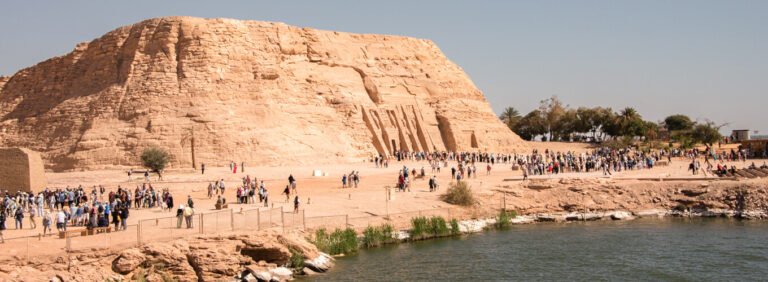
Aswan brings a gentler, riverside calm and pairs beautifully with the island temple of Philae. Many travellers add a memorable day trip to Abu Simbel for one of the most dramatic sights in the country.
Red Sea and Alexandria
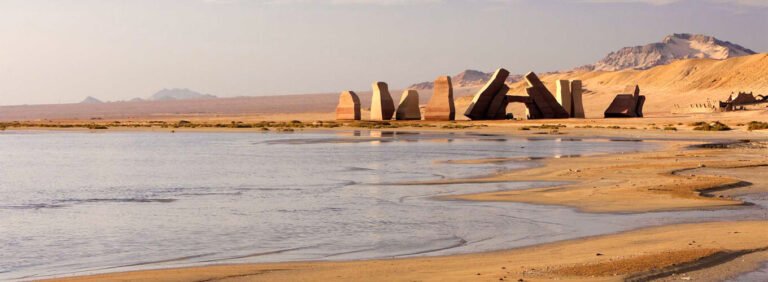
Fancy a change of pace? A Red Sea stop offers warm water and coral reefs, a perfect decompression day after heavy archaeology. Alternatively, Alexandria delivers a Mediterranean mood, with its modern library and ancient catacombs.
To Cruise or Not to Cruise the Nile
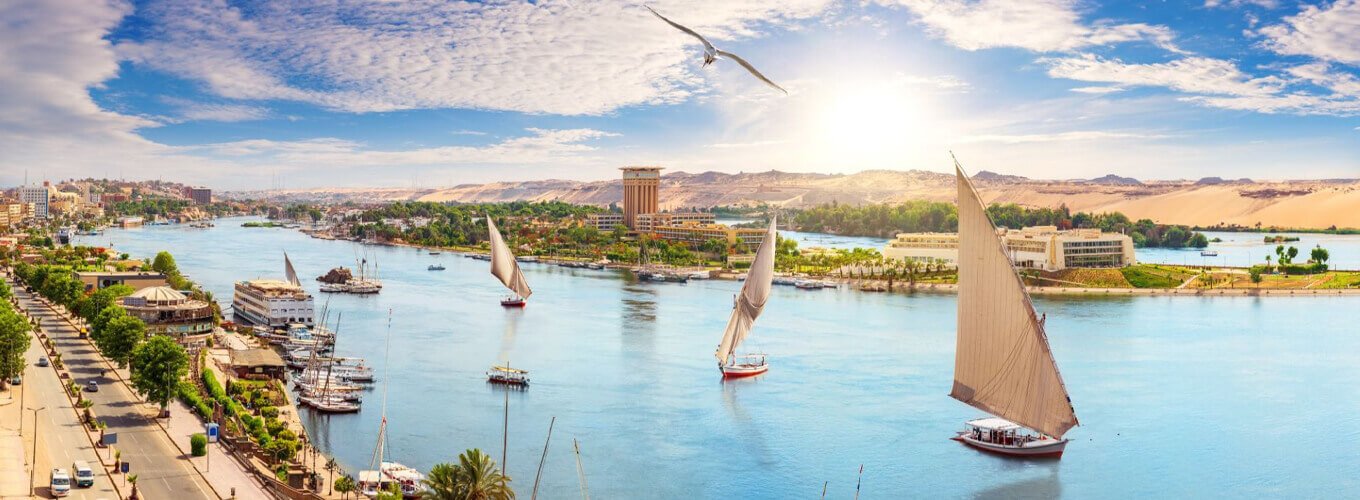
Sailing between Luxor and Aswan is one of the simplest ways to string the great southern temples together without changing hotels every night. A classic Nile cruise links the major sites in comfort, with meals and shore excursions built in.
Routes and Types of Vessel
Most itineraries run the Luxor to Aswan corridor on fixed departure days. Larger cruise ships feel like floating hotels, with full board, sun decks and scheduled visits ashore. For a quieter, more intimate rhythm, a dahabiya, a small sailing boat with just a handful of cabins, moves slowly and stops more flexibly. Dahabiyas tend to sell out early, so plan ahead if that appeals.
If a Cruise Does Not Fit
When your dates do not line up with a sailing, an overland combination by private driver or sleeper train covers the same sites at your own pace. You keep your independence at the cost of a little more road time.
Sample Itineraries by Length
Use these as flexible skeletons rather than rigid schedules.
- Five days: Split your time between Cairo (Pyramids and the Egyptian Museum) and Luxor (Karnak, Luxor Temple and the Valley of the Kings). Start early and group Luxor by bank to avoid criss-crossing the river.
- Seven days: Add Aswan with Philae and an Abu Simbel excursion, or swap in a Red Sea day to unwind. Either way, build in one lighter day for recovery or an evening at the markets.
- Ten days: Weave in a Luxor to Aswan cruise or a dahabiya leg so you can enjoy the soft dawn and late-afternoon light at the temples. Lean on domestic flights to connect Cairo with Upper Egypt efficiently.
Where to Base Yourself
Choosing your neighbourhood wisely can shave hours off your days and let you wake up near the landmarks you came for.
Giza Views or Central Cairo Convenience
If opening your curtains to a pyramid view is the dream, stay in Giza for iconic morning light. If you would rather be within easy reach of the museum and the historic quarters, central Cairo shortens your museum mornings and evening strolls.
Luxor’s Two Banks
The East Bank is livelier, with more hotels and restaurants near Karnak and Luxor Temple, and it is easiest for evening walks. The West Bank is quieter and sits close to the tomb entrances of the Valley of the Kings. A local ferry links the two, so you are never truly cut off from either side.
Airport Hotels for Early Flights
For those punishing pre-dawn departures, an airport hotel is the least stressful way to finish a trip. Before committing to any hotel, read recent reviews to check on renovations, noise and Wi-Fi reliability.
Logistics on the Ground
A little planning around transport, tickets and timing means you spend your energy on the sights rather than the shuffle between them.
- Getting around: Domestic flights are the fastest link between Cairo and the south. Trains and private drivers cover shorter legs well, and Luxor’s river ferry connects the two banks with minimal fuss.
- Tickets: Check opening hours the night before and buy online where you can. Some tombs require a separate photo pass, and a few premium tombs need their own tickets, so sorting these in advance saves you queuing and last-minute decisions.
- Beating the heat: Set out early, take a shaded lunch break, and save temples for the softer late afternoon. Keep a refillable water bottle, sun protection and a light layer close.
Money, Payments and Tipping
The Egyptian pound is the local currency, and the smoothest approach is to carry both cards and a supply of small notes.
- Cards vs cash: Cards are fine at major museums, hotels and larger restaurants, but keep cash for markets, small shops and snacks. Withdraw from bank ATMs in airports and city centres for fair rates, and steer clear of unbranded standalone machines.
- Tipping: A tip of roughly 10 to 20 percent is customary in restaurants, and small notes are welcome for porters, drivers and attendants. If you hire a guide for the day, set aside a separate thank-you for their time and expertise at the end.
Safety, Etiquette and Health
A handful of sensible habits keeps you comfortable and respectful throughout.
Dress and Cultural Awareness
Dress modestly in public and at religious sites; covering shoulders and knees is appreciated, and women may want a light scarf for head covering at some places of worship. Keep public displays of affection low-key, and always ask before photographing people.
Food and Water
Stick to bottled or filtered water and drink often, as the sun tires you faster than you expect. Choose busy, high-turnover eateries where the food is fresher and the hygiene generally better.
Staying Connected and Secure
Pick up that local SIM for maps and messaging, split your cash between a couple of places, and make use of the hotel safe. Building short rest windows into your temple and pyramid days makes the long hours far more enjoyable.
Packing for Hot, Dusty Days
A compact, well-chosen kit makes everything easier. Favour breathable cotton or linen, a sunhat, sunglasses and reef-safe sunscreen, plus a light scarf that doubles as modesty cover and sun protection. Comfortable, broken-in walking shoes with good grip are non-negotiable, as paths around temples and tombs are often sandy and uneven.
Keep digital and paper copies of your passport and confirmations stored separately, and make sure your travel insurance covers cancellations, lost baggage, medical care and any water activities you have planned. A universal adapter, a power bank and spare cables round out the essentials. Leave prohibited items such as drones, weapons or narcotics at home to avoid trouble on arrival.
Your First Actions, in Order
Ready to turn plans into bookings? Move through these steps in sequence:
- Fix your travel dates and budget, then book international flights while options are widest.
- Reserve your core hotels in the neighbourhoods that match your daily plan.
- Map a simple north-to-south flow and decide whether a Nile cruise fits your dates, or plan the overland alternative if not.
- Pre-book high-demand experiences, photo passes and early-morning transfers, and add guide days where context matters most.
- Before you fly, gather your confirmations, scan your documents and share your itinerary with someone you trust.
Final Thoughts
A great Egypt tour is less about seeing everything and more about seeing the right things well. Settle your dates, budget and trip length first, lean on a simple north-to-south flow, and lighten the busiest days with a guide and driver. Whether a Nile cruise fits your calendar or you piece together an overland route, the same principles apply: start early, choose your hotels by neighbourhood, and leave a little breathing room for the surprises that make a trip memorable. Plan with care and your journey will feel rich rather than rushed, whether you travel solo, as a couple, or in a small group.