The best time to visit Egypt is from October to April, when daytime temperatures are mild (around 20–25°C / 68–77°F) and comfortable for sightseeing in Cairo, Luxor, Aswan and on a Nile cruise. Summer, from May to September, is much hotter but brings lower prices and thinner crowds.
Timing is quietly the most important decision you will make about an Egyptian holiday. Get it right and the pyramids, temples and desert horizons feel comfortable and photogenic; get it wrong and the heat, crowds or prices can chip away at the experience. This guide walks you through when to go, how the seasons feel in different corners of the country, and how to shape your days so that the weather works for you rather than against you.
The short version: the cooler stretch from October to April is the classic window for exploring Egypt’s headline sites in comfort, while the hotter May to September months reward flexible travellers with thinner crowds, lower prices and superb Red Sea swimming. Both seasons can deliver a wonderful trip once you understand the trade-offs.
When is the best time to visit Egypt?
Egypt runs on a broadly two-season rhythm. Rather than spring, summer, autumn and winter as many visitors know them, it is more useful to think in terms of the comfortable cooler months and the hot dry months, then layer regional differences on top.
October to April: cooler days and peak-season energy
Across Cairo, Giza and Upper Egypt these months bring milder temperatures and clear, golden light that flatters photographs. Days are pleasant enough for long walks on the Giza Plateau or full mornings inside the temples of Luxor. The trade-off is popularity: December and January are the busiest weeks of the year, with fuller hotels and higher rates. If you travel then, reserve accommodation and timed entries well ahead.
May to September: heat, quiet sites and better value
Summer turns the desert sun up considerably, yet the air stays dry rather than sticky. Many tour groups thin out, so you often enjoy shorter queues at major monuments and noticeably lower prices on flights and hotels. The trick is to work with the heat: start outdoor sightseeing early, retreat indoors or onto the water at midday, and save temple strolls for the cooler glow of late afternoon.
Weather versus crowds: finding your own balance
Choosing between the seasons really comes down to what you value most. If comfortable temperatures and easy all-day sightseeing top your list, lean towards the October-April window. If you would rather have quieter ruins, cheaper stays and are happy to plan around the sun, the summer months can be surprisingly rewarding.
How the weather feels region by region
Egypt is a large country, and conditions that feel pleasant in one city can be intense a few hours south along the Nile. Understanding these regional differences helps you pack sensibly and decide which sites to tackle when.
Cairo and Giza
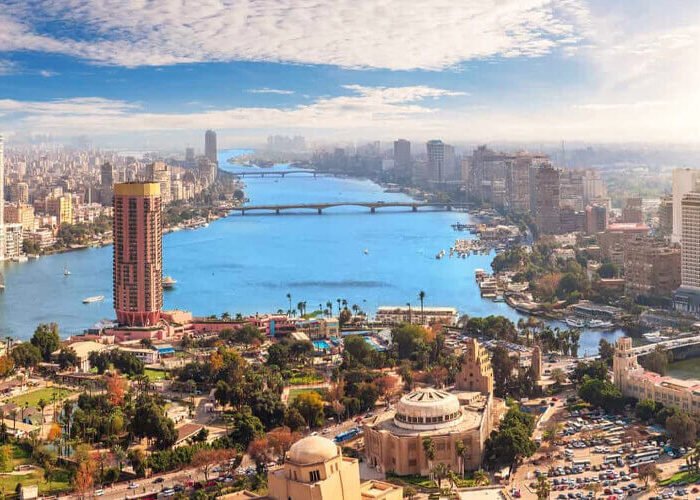
The capital and neighbouring Giza sit around the mid-60s Fahrenheit in winter and climb into the mid-90s in high summer. Winters are warm enough for full days at the pyramids and museums, while summer rewards an early start and a shaded rest through the hottest hours.
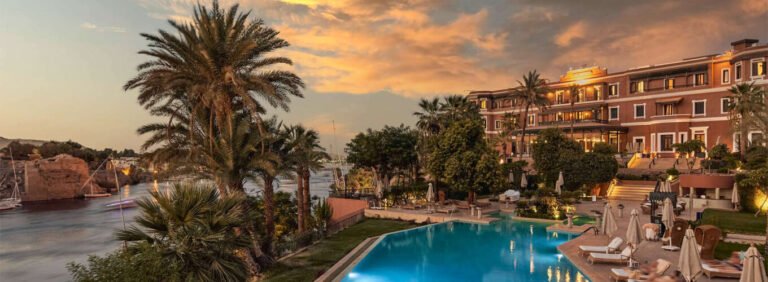
Luxor and Aswan
Head south and the mercury rises sharply. Luxor dips to the low 70s Fahrenheit in winter but pushes past 100 in summer, and Aswan can reach around 108. Crisp, blue-sky winters are ideal for temple touring here; in summer, plan indoor or riverside activities for the fierce afternoon hours.
Alexandria and the Mediterranean coast
The northern coast is the country’s mildest corner, running from the mid-60s Fahrenheit up to the high 80s, with the occasional winter shower. Coastal evenings feel fresher than inland, so pack a light layer for seafront walks.
Desert air and the Nile breeze
Dry desert conditions dominate most of Egypt, which means heat can feel sharp even without humidity. Expect cool mornings and evenings, hot afternoons, and a welcome breeze on any river outing. Breathable clothing, sun protection and smart scheduling of your outdoor time make an enormous difference.
A month-by-month outlook
Zooming in on individual months helps you match the weather to the kind of trip you want.
January to March
Sunny, comfortable and lively. Expect fuller sites, especially around the winter holidays, but also long, pleasant daylight hours that are perfect for extended walks and photography. Late January or early February is worth noting if you would like to catch the West Bank Marathon in Luxor.
April to May
A warming shoulder period when mornings stay agreeable while afternoons heat up quickly. Build early starts into your plans for open-air sites such as Giza and Karnak.
June to September
The hottest, driest stretch of the year and prime time for the Red Sea. This is ideal for beach days, snorkelling and relaxed afternoons by the water. Air-conditioned collections, including the galleries of the Grand Egyptian Museum, tend to be quieter and make excellent midday refuges.
October to December
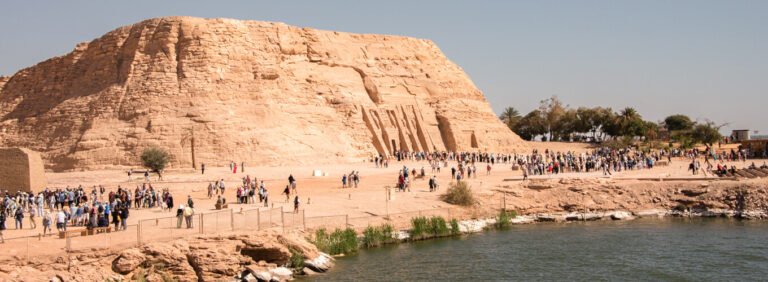
Temperatures ease and comfort returns. October also brings the celebrated Abu Simbel Sun Festival on 22 October. As the December holidays approach, demand climbs again, so book timed entries where you can and keep a buffer day or two for flexibility.
Signature dates worth planning around
A couple of moments in the calendar are special enough to shape an itinerary. The Abu Simbel Sun Festival on 22 February and 22 October marks the days when sunlight penetrates the great temple to illuminate the inner sanctuary, an alignment engineered by the ancient builders. Southern cities such as Luxor and Aswan also stage seasonal events and often look their best under clear winter skies.
Timing a Nile cruise
A river cruise is one of the smartest ways to see Upper Egypt in almost any season, because life on board is built for comfort.
Why a cruise works even in summer
With dry air, shaded lounges, air-conditioned cabins and a steady breeze on the water, a Nile cruise stays comfortable across the calendar. The cabin becomes a cool retreat during the hottest part of the day, while the deck is delightful morning and evening.
Smart touring windows
Most itineraries schedule temple visits for early morning and late afternoon, letting you dodge the peak heat and capture clearer photographs. The major sites between Luxor and Aswan stay open year-round, and this rhythm keeps them enjoyable whatever the season.
Making the most of onboard time
Use the midday hours for rest, lectures, cultural demonstrations or simply watching the riverbank slide by. Pick a shady spot on deck, keep water within reach, and let flexible timings carry you into busy docks a little earlier or later than the crowds.
Red Sea seasonality
The coast follows its own logic, so match the month to the kind of beach day you are after.
Summer by the sea
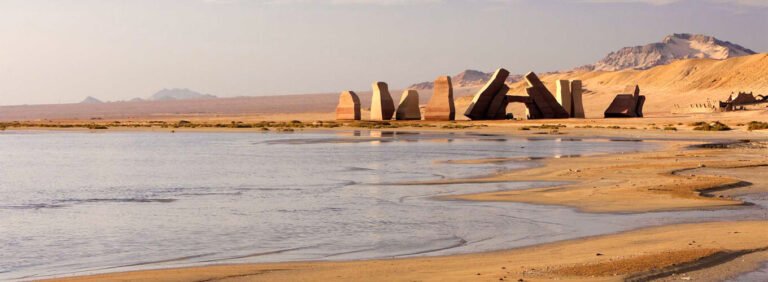
In the hot months the water warms quickly and daylight stretches late into the evening, making for long swims, sunset strolls and easy family beach days. Coastal temperatures stay milder than the inland desert, so splitting the day between morning swims, shaded afternoons and evening walks feels effortless.
Shoulder and winter by the water
Cooler months bring exceptional underwater visibility and quieter boats, so snorkelling and diving sessions run longer and feel more private. This is the sweet spot if you prefer calmer beaches and want to pair sea time with short inland excursions or a brief cruise.
- Choose summer for long, warm swims and relaxed beach days.
- Choose the cooler months for the clearest snorkelling and less crowded dive boats.
- Pack reef-safe sunscreen, a brimmed hat and light cover-ups for active days on the water.
Crowds, prices and peak versus off-peak
Knowing when sites fill up helps you plan better days and spend less.
Peak: December to January
These are the busiest weeks, with higher hotel rates, longer queues and more tour groups at popular sites. If you visit then, lock in key stays and entry windows well in advance.
Shoulder: spring and autumn
Spring and autumn strike a happy balance of milder weather, gentler prices and thinner crowds, giving you smoother access to the big attractions without major compromises.
Off-peak tactics that work
Whatever the season, a few habits transform crowded days into pleasant ones: arrive before opening, rest through the midday heat, and return in the late afternoon for emptier ruins and softer light. Slot one indoor museum into the hottest slot, favour weekdays for lighter foot traffic, and keep your plans flexible.
What to pack and cultural cues
Small habits around hydration, shade and dress shape how much you enjoy each day.
Sun and heat readiness
Bring breathable layers, a wide-brimmed hat, polarised sunglasses and high-SPF sunscreen for long hours outdoors. A refillable water bottle and a cooling cloth are invaluable during midday breaks.
Modest dress and etiquette
Choose lightweight clothing that covers shoulders and knees, and carry a light scarf for quick coverage when entering mosques. Always ask before photographing local people.
Money and tipping
Tipping, known locally as baksheesh, is customary. Keep small notes handy for tips and minor purchases, and pack a compact day bag with tissues, hand sanitiser and a backup layer for air-conditioned stops.
Building an itinerary by season and interest
History-focused winter
Cooler winter days suit long museum visits in Cairo and unhurried mornings on the Giza Plateau, plus full tours at Luxor Temple and the Valley of the Kings when the light is kind. Group nearby sites together to cut down on transfers, and add a short Nile cruise segment to link Upper Egypt without long road journeys.
Summer blend
In the hot months, favour air-conditioned galleries by day, then golden-hour temple walks or evening sound-and-light shows. Fold in a Red Sea interlude for beach rest and clear-water snorkelling, pairing one high-energy morning with a lighter indoor afternoon.
Conclusion
There is no single best time to visit Egypt, only the season that best matches your priorities. October to April offers the greatest all-round comfort, December and January bring the biggest crowds and prices, and May to September runs hot but rewards flexible travellers with quiet sites, better value and glorious Red Sea days. Note the signature dates such as the Abu Simbel Sun Festival on 22 February and 22 October, weave in a Nile cruise to link the landmarks with restful time on the water, and pack thoughtfully for the sun and the culture. With a little planning around weather, crowds and daily light, whichever window you choose can become an unforgettable trip.