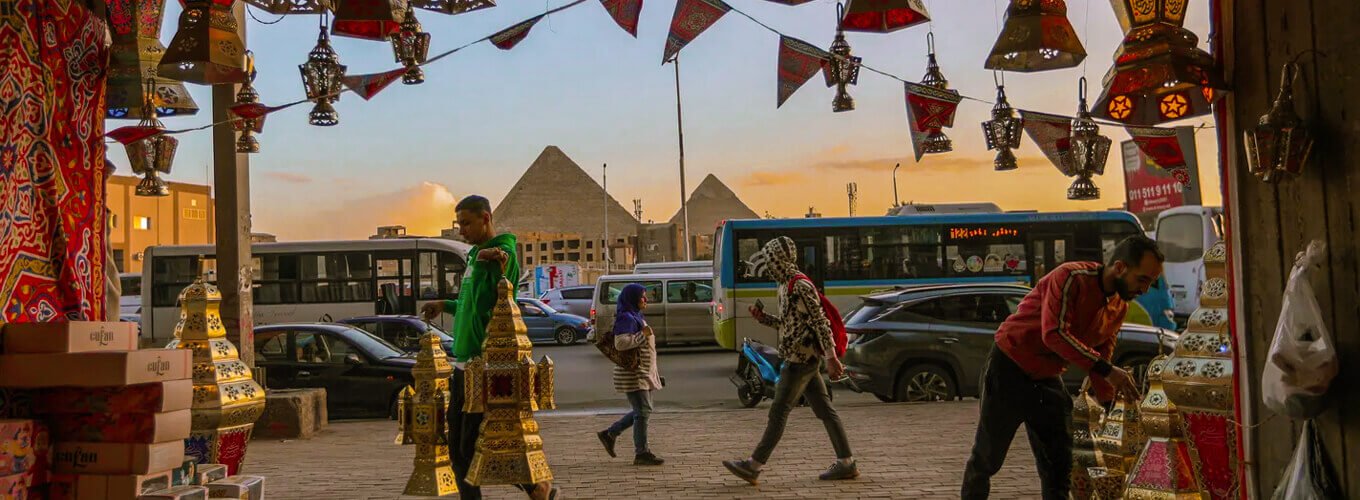
Visiting Egypt during Ramadan is rewarding, with a festive evening atmosphere, special lanterns (fanoos) and decorations, and lively nights after the iftar meal. Tourist sites, hotels and Nile cruises stay open, though some shops and restaurants adjust daytime hours, so plan around the fasting schedule.
Ramadan is one of the most rewarding times to see Egypt, precisely because it is the least ordinary. For a full lunar month, the country’s rhythm inverts: daylight hours turn quiet and reflective, then the streets erupt into colour and community the moment the sunset cannon signals Iftar. Glowing lanterns, decorated tents, shared meals and late-night gatherings turn cities like Cairo, Alexandria and Luxor into something you simply cannot experience at any other point in the calendar.
So yes, visiting Egypt during Ramadan is not only possible, it is genuinely special. Daily life slows in the afternoons, but the evenings brim with energy, warmth and hospitality. The trick is to plan around the fasting rhythm rather than against it. This guide walks you through what to expect, when to go, what to eat, where to be, and how to travel respectfully so the month feels magical rather than confusing.
Ramadan in Egypt: dates and what to expect
Ramadan follows the Islamic lunar calendar, so it falls roughly eleven days earlier each year and the exact start depends on the sighting of the crescent moon. In 2026 the holy month runs across March and into April, but always confirm the precise dates close to your trip, as they can shift by a day. Throughout the month, Muslims fast from dawn until sunset, breaking the fast with the Iftar meal and often rising before dawn for a lighter Suhoor.
For travellers, the practical takeaway is simple: mornings and early afternoons are calmer and cooler in mood, while the real life of the city happens after sunset. Attractions remain open, though many businesses shift to shorter or later hours, so build flexibility into your day.
How Egyptians celebrate
The whole country dresses up for the occasion. Neighbourhoods string up lights, mosques glow, and families gather each evening to break the fast together before heading to Taraweeh prayers. From Cairo’s historic lanes to the Nile-side towns of the south, the traditions are deeply woven into daily life, and the streets stay lively right through until Suhoor.
Does Ramadan affect tourists?
Only in ways that are easy to work around. Some shops and restaurants open later or close during the fasting hours, and service can slow near Iftar as staff prepare to break their own fast. Otherwise, you can still visit landmarks, wander the markets and, best of all, join the nightly festivities. Many visitors find the historic sites are pleasantly less crowded during the day.
Approximate Sehri and Iftar times by city
Fasting times vary slightly across the country. The figures below are indicative for the Ramadan period; check a daily local timetable during your stay, as times drift a few minutes each day.
| City | Sehri (approx.) | Iftar (approx.) |
|---|---|---|
| Cairo | 02:15 AM | 05:33 PM |
| Alexandria | 02:22 AM | 05:37 PM |
| Al Mansurah | 02:15 AM | 05:31 PM |
| Suez | 02:10 AM | 05:28 PM |
| Asyut | 02:13 AM | 05:38 PM |
| Luxor | 02:06 AM | 05:34 PM |
The decorations: a city dressed in light
Ramadan decorations are one of the great joys of the season. Streets, homes and mosques fill with glowing lanterns, colourful banners, crescent moons and illuminated calligraphy. The centrepiece is the Fanous, the handcrafted Ramadan lantern that has been part of Egyptian tradition for centuries and now lights up markets, cafés and living rooms alike.
Head to markets such as Khan El Khalili to see handmade lanterns and decorative pieces stacked high, while families add their own personal touches at home. The effect is atmospheric and layered: traditional music drifting from cafés, the scent of cooking filling the air, and beautifully decorated tents where friends and neighbours gather for Iftar. Whether you are in Cairo, Alexandria or Luxor, the celebration blends faith, tradition and festivity into something unforgettable.

Travelling around Egypt during Ramadan
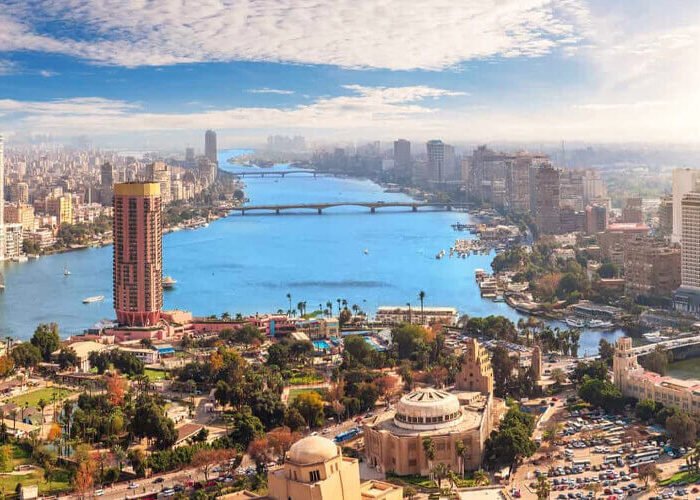
The holy month transforms the mood everywhere, not just in the capital. Cairo comes alive after Iftar, its lantern-lit streets buzzing with late gatherings, but the experience extends far beyond it. Coastal resort towns like Hurghada and Sharm El Sheikh offer a gentler, more relaxed take on the season, pairing beachfront Iftars with local hospitality, while Alexandria adds a breezy Mediterranean flavour to the celebrations.
Wherever you base yourself, the same principle applies: use the daylight hours for sightseeing and rest, then lean into the evenings. Because fasting reshapes daily routines, a little planning around opening times goes a long way, but the reward is a deeper, warmer connection to Egyptian culture than an ordinary visit could ever offer.
Ramadan food: how to enjoy it as a visitor
Food sits at the very heart of Ramadan, and as a foreigner you are almost always welcomed to share in it. The daily highlight is Iftar, the meal that breaks the fast, often opening with dates and a bowl of hearty soup before moving on to Egyptian classics. Ramadan tents, frequently set up at hotels or in scenic spots, are among the best places to experience it, offering festive spreads alongside live music and performances.
Look out for savoury staples such as stuffed vegetables (mahshi), fattah, kofta and stuffed pigeon, and save room for the sweets that define the season: kunafa and qatayef. For the pre-dawn Suhoor, cafés serve lighter fare like foul and baladi bread, often accompanied by mint tea and a relaxed, sociable atmosphere. Beyond Cairo, the food scene stays just as vibrant in Alexandria, Luxor and the Nile-side towns. Joining a communal Iftar is one of the easiest and most genuine ways to connect with locals.
Ramadan experiences with Min Travel
As a licensed Egyptian operator, Min Travel builds trips that put you inside the culture rather than beside it. Here are the kinds of experiences that make a Ramadan visit special.
Iftar and Suhoor gatherings
Share a traditional Iftar in a decorated Ramadan tent, tasting dishes like koshari, fattah and mahshi followed by konafa and qatayef. Night owls can join an authentic Suhoor at a well-loved café in Cairo, Alexandria or Luxor, sipping mint tea to the sound of live music.
Ramadan nights and festivities
Wander the lantern-lit lanes of Khan El Khalili, watch a mesmerising Tanoura dance performance, and feel the spiritual energy around Al-Hussein Mosque. Seasonal markets are perfect for handmade lanterns and Islamic calligraphy souvenirs.

Historical and cultural tours
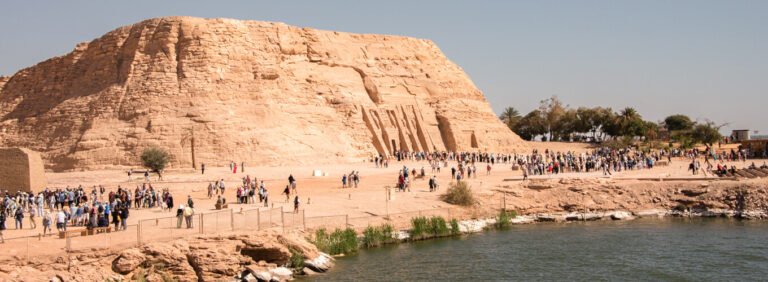
Daytime is ideal for the icons with thinner crowds: the Pyramids of Giza, the Sphinx and the Egyptian Museum feel calmer, while Islamic Cairo reveals its historic mosques, including Al-Azhar, Sultan Hassan and Ibn Tulun.
Desert and Nile adventures
Glide along the Nile on a cruise beneath a starlit sky, or head into the desert for a safari toward the White Desert or Siwa Oasis, capped with a memorable Iftar under the stars.
Spiritual and cultural immersion
Join charity initiatives, hear the call to prayer at sunset, and learn from expert guides about the customs and meaning behind the month, the kind of context that turns sightseeing into understanding.
Where to be during Ramadan
| Location | Why go during Ramadan | Highlights |
|---|---|---|
| Khan El Khalili, Cairo | A bustling market wrapped in decorations and buzz | Fanous lanterns, street food, souvenir shopping |
| Al-Moez Street, Cairo | Historic Islamic street with stunning architecture | Illuminated mosques, cultural performances |
| Al-Hussein Mosque, Cairo | A spiritual focal point on lively Ramadan nights | Taraweeh prayers, historic cafés, storytelling |
| El Fishawy Café, Cairo | An iconic spot for Suhoor in Old Cairo | Traditional tea, Arabic music, historic setting |
| Alexandria Corniche | A relaxed, breezy seaside atmosphere | Seaside Iftar, Ramadan lights, family gatherings |
| Luxor & Karnak Temples | Fewer crowds make for peaceful sightseeing | Evening light shows, historical immersion |
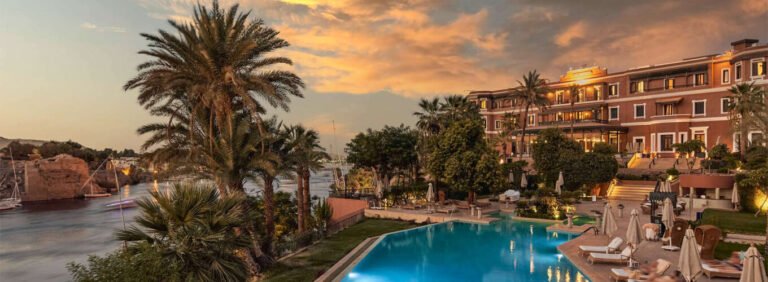
| Aswan & Nubian villages | Warm hospitality and distinct local culture | Traditional Nubian Iftar, Nile views, music |
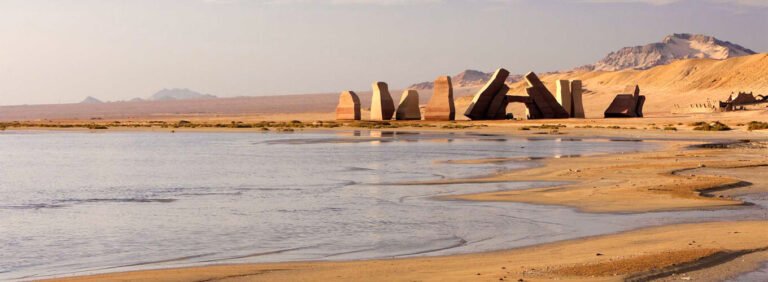
| Sharm El Sheikh | A resort town that celebrates in its own way | Beachfront Iftar, entertainment, diving |
| Hurghada | Relaxation paired with festive traditions | Iftar at resorts, Ramadan markets |
| Siwa Oasis | A quiet, spiritual desert escape | Desert Iftar, stargazing, hot springs |
| Pyramids of Giza | Less crowded and more peaceful by day | Sunset views, special Ramadan events |
| Nile cruise (Luxor–Aswan) | Culture and calm combined on the water | Sunset Iftar on deck, temple visits |
Tips for visiting during Ramadan
| Tip | Why it matters |
|---|---|
| Respect the fast | Avoid eating, drinking or smoking in public during daylight hours out of courtesy to those fasting. |
| Plan around opening hours | Many shops and attractions shift to shorter or later hours, so check schedules ahead of time. |
| Embrace the nights | The evenings are the main event, with markets, performances and gatherings after Iftar. |
| Taste the season | Try fattah, mahshi, konafa and qatayef while they are everywhere. |
| Stay hydrated and rested | Drink plenty after sunset and pace your daytime sightseeing. |
| Book ahead | Popular cities fill up, so secure hotels and Iftar tables early. |
| Be patient near Iftar | Restaurants are busiest right at sunset; reserve or arrive early. |
| Look for Ramadan deals | Some hotels and operators offer special seasonal rates. |
Final word
Visiting Egypt during Ramadan asks a little more planning and a little more sensitivity, and it repays both many times over. Fold your sightseeing into the quiet daytime hours, then let the evenings sweep you into the lanterns, the shared food and the unmistakable sense of community. Few travel experiences connect you so directly to the warmth of Egyptian culture, and once you have watched a city come alive after the sunset call, you will understand exactly why so many travellers come back for it.