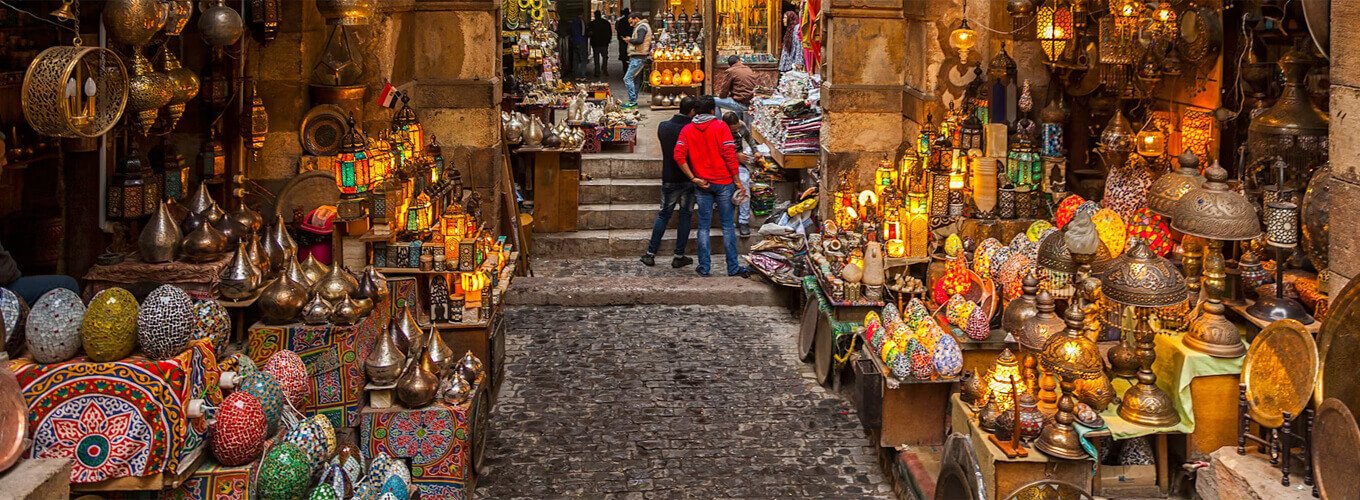
Cairo’s most famous market is Khan El Khalili, a medieval bazaar in Islamic Cairo full of brass, jewellery, spices, perfumes and souvenirs. Nearby Al-Muizz Street adds historic architecture, while Al-Ataba and Wekalet Al-Balah offer everyday goods and fabrics away from the tourist trail.
Few cities let you sniff cardamom in a shaded lane one minute and glide through a chilled shopping mall the next. Cairo does exactly that. In a single afternoon you can bargain for a hand-hammered brass lantern in a Fatimid-era bazaar, then retreat to a glossy mall food court to catch your breath. The souks and local markets in Cairo are where the city keeps its memory alive, while the modern malls give you a comfortable, air-conditioned counterpoint.
This guide is built to be your shopping companion. It maps out how to weave the historic lanes together with contemporary retail, how to judge quality before you hand over cash, and how to keep every purchase light enough to survive the journey home. Approach it as a rhythm rather than a checklist: browse, rest, snack, repeat.
What Makes Shopping in Cairo Unforgettable
Cairo shopping is less a transaction and more a sensory event. Bolts of jewel-toned fabric spill over doorways, brassware chimes when a shopkeeper lifts a tray, and clouds of incense drift from tiny stalls. Vendors call out prices, tea glasses clink, and the smell of frying taameya cuts through it all. It rewards the traveller who slows down and lets curiosity lead.
Two Worlds, One City
On one side sit the centuries-old bazaars of Islamic Cairo, where craft, faith and trade have overlapped for generations. On the other stand vast malls with fixed prices, global labels and reliable sizing. Neither is better; they simply serve different moods. The smartest itinerary uses both, starting in a souk for atmosphere and handmade finds, then cooling off in a mall for lunch and predictable purchases.
How to Read This Guide
Rather than sprinting between landmarks, cluster stops that sit close together, then break for shade and a cold drink. Below you will find the standout markets, what each one does best, and the practical details, timing, payment, etiquette, that make a shopping day flow smoothly instead of leaving you frazzled.
Khan El Khalili: Cairo’s Legendary Bazaar
No introduction to the souks and local markets in Cairo is complete without Khan El Khalili. Founded in 1382 and expanded in the early sixteenth century, this warren of lantern-lit alleys has been trading for well over six hundred years and still buzzes with artisans, coppersmiths and spice sellers.
What to Look For
This is the place for classic Egyptian souvenirs: silver and gold jewellery, hand-loomed textiles, painted ceramics, fragrant spice blends and natural perfume oils. Duck down the narrower side lanes, where you will often find higher-quality, genuinely handmade pieces away from the mass-produced trinkets near the main entrances.
Timing and Navigation
The bazaar peaks in atmosphere from late afternoon into the evening, when lanterns glow and the crowds swell. If you prefer a calmer browse, arrive earlier on a weekday. Keep a loose sense of direction by noting a landmark cafe or gate; getting mildly lost is part of the charm, but a mental anchor helps you loop back.
Insider Advice
Haggling is expected here, so treat it as a friendly game. Open below the first quote, move up in small steps, stay warm, and be genuinely willing to walk away. Bundling several items with one vendor almost always earns a better overall price. On busy weekends keep bags zipped and worn to the front, and pause for a glass of mint tea or a quick bowl of koshari to keep your energy up.
Al-Muizz Street: A Living Museum You Can Shop In
Walking Al-Muizz Street feels like strolling through a thousand years of architecture with market stalls tucked between the monuments. Fatimid and Mamluk mosques, madrasas and palaces line the thoroughfare, while vendors sell textiles, pottery and brassware in their shadow. It is the rare spot where a history lesson and a shopping trip happen at the same time.
Pair Monuments with Market Stalls
Most of the historic interiors open during daylight, so plan a morning visit to explore restored Mamluk complexes, then let the street grow livelier in the late afternoon when the evening light is kind to photographs. Interleaving a couple of cultural stops with nearby stalls saves you from backtracking along the same stretch twice.
Snack as You Stroll
Keep your momentum with a serving of koshari or a warm taameya from a busy vendor. As you browse, compare craftsmanship directly: heft the brass pieces to feel their weight and finish, and check textiles for neat, even stitching. Egyptian shopkeepers usually enjoy talking about how their goods are made, so ask about materials and care.
Al-Khayamiya, the Tentmakers’ Street
Turn into this covered lane and you are surrounded by hand-stitched appliqué panels hanging like small flags. Al-Khayamiya is the last stronghold of a centuries-old craft in which artisans sew bold geometric and floral scenes entirely by hand.
The Craft of Appliqué
You can watch the tentmakers at work, needle and thread turning plain cotton into wall hangings, cushion covers and table runners. Dense, even stitching is the mark of a fine piece. Because the panels pack flat, they travel beautifully: a small one makes a thoughtful gift, while a larger hanging can anchor a room back home.
Buying Well
Ask each maker for care tips, gentle cleaning and dry storage keep the colours vivid for years. If you have time, you can commission a custom size or palette, as many artisans happily personalise their work. Bring cash and an unhurried attitude; here, meeting the person who made the piece is as much the point as the piece itself.
Attaba Market: Bargain Central for Everyday Buys
When you need practical items fast and cheap, Attaba delivers. This sprawling, no-frills hub stacks affordable clothing, footwear, accessories and small electronics across countless shops, and it stays open extraordinarily late.
Arrive with a short mental list, because the sheer variety can pull you off course. Inspect the goods before you commit: check stitching, test zippers, and feel the weight of the fabric to gauge how long an item will last. Compare a couple of stalls, then return to the best offer, vendors fully expect you to shop around.
Late morning or early afternoon gives you the best light to see stock clearly. Carry small bills to speed up transactions, keep valuables zipped and close, and if you need a break, a quick bowl of koshari nearby is an easy recharge. Attaba is where you find the genuinely useful buys you will actually wear on the trip and after it.
Wikalat Al-Balah: Textiles, Lamps and Home Goods
Once a sixteenth-century caravanserai on the old trade routes, Wikalat Al-Balah now houses stalls beneath vaulted Ottoman arcades. Expect woven rugs and tapestries, pottery, glassware and, above all, brass lamps.
Look for natural-fibre textiles and tightly knotted rugs, both signs of durability. Lift the brass lamps to judge their quality, and if one is already wired, test the fitting before buying. The best finds often hide in the quieter side aisles, so browse slowly.
Arrive in the late afternoon, when the lamps are lit and the metalwork gleams. Friendly bargaining is the norm, and bundling several pieces at one stall improves your price. Ask the seller for extra wrapping for anything breakable, roll textiles to save luggage space, and carry cash for the fastest deals, though some sellers accept cards on higher-value items.
Souk Al-Fustat: Heritage Crafts with a Modern Edge
In Old Cairo, on a site dating back to the seventh century, Souk Al-Fustat blends traditional techniques with pieces designed for contemporary homes. It is a tidy, curated bazaar, a gentler introduction to Egyptian craft than the sprawl of Khan El Khalili.
This is a strong stop for ceramics and pottery, scarves and shawls, and artisan jewellery, and many stalls label the maker’s name so you learn a little of each item’s story. Check the glaze for smoothness on ceramics and the weave density on textiles to judge quality. Cash is usually preferred, though some vendors accept credit cards for pricier purchases, so ask before you decide.
Opening hours run roughly from mid-morning into the evening, with Fridays and holidays sometimes shorter. Aim for early morning or late afternoon, when it is cooler and calmer, and pair the visit with the nearby historic churches and mosques of Coptic Cairo for a well-rounded outing.
Souk Al-Attarine: Cairo’s Perfume Market
Follow your nose into Al-Attarine, a fourteenth-century corner of Islamic Cairo lined with tiny glass bottles, hand-cut soaps and jars of incense resin. It is one of the most atmospheric stops among the souks and local markets in Cairo.
Finding Your Signature Scent
Test scents properly. Start with a blotter strip, then dab a little on your skin and let notes such as rose, jasmine, musk, sandalwood, lotus and hibiscus evolve over the next few minutes; good oils feel silky rather than greasy and shift over time. Step outside between samples if your nose tires, as too many at once blur together.
Late morning or early afternoon is the best window for relaxed sampling before the evening crowds arrive. Alongside the oils you will find incense sticks, resin and handmade soaps that pack neatly for the trip home. Cash is preferred and bargaining is expected, so ask about the base and how long a scent lasts, then carry your bottles upright in a sealed bag and keep them cool.
What to Buy: Souvenirs That Survive the Journey
The best souvenirs are the ones that arrive home intact and still mean something. Favour items that are light, flat or easy to wrap, and prioritise a few well-made pieces over an armful of impulse buys.
Textiles and Egyptian Cotton
Scarves, shawls and small appliqué panels in Egyptian cotton are ideal. Check the tightness of the weave and the neatness of the hems, heavier thread and clean stitching last longer, and roll rather than fold to avoid creases.
Papyrus, Pottery and Brassware
Genuine papyrus has a fibrous texture and slight irregularities; printed imitations feel suspiciously smooth. Choose pottery with even glazing and a stable base, and wrap it well or arrange shipping. Real brass feels substantial in the hand, and subtle hammer marks often signal handmade work.
Spices, Perfumes and Small Beauty Items
Spice blends, perfume oils and soaps make compact, generous gifts. Pick sealed packages, double-bag any liquids, and remember that a layered, complex scent usually points to higher purity than a flat, oily one.
Jewellery and Decorative Accents
A personalised cartouche or a scarab motif turns a piece of jewellery into a keepsake. Ask about metal purity and hallmarks, and think about your home’s palette when choosing textiles or accents so your finds actually earn their place on the shelf.
The Friendly Art of Haggling
Bargaining in Cairo is social, not adversarial, and a few polite words go a long way. A warm “As-salamu alaykum” opens the conversation, and a simple “Kam?” (how much?) gets the numbers moving. Begin low but reasonable, rise in small increments, and keep smiling.
Use cash in small denominations, compare a few stalls before committing, and confirm materials or sizes before you close the deal. Bundling purchases at a single stall almost always improves the overall price. If the fun drains out of the exchange or a price feels unfair, bow out gracefully with “La, shukran.” And when you do agree, a sincere “Shukran” seals a good-natured deal, minor imperfections in handmade goods are proof they were made by hand, not flaws to fight over.
Smart Logistics: Timing, Safety and Payments
A good shopping day starts early or picks up again in the late afternoon, when the lanes are cooler and less packed. Some stalls close earlier on Fridays or during religious holidays, so confirm hours before you build your route.
Dress and Comfort
Cover shoulders and knees out of respect, especially near mosques, and remove your shoes before entering prayer halls. The lanes are uneven and crowded, so wear supportive shoes and carry a low-profile crossbody bag with secure zips to keep valuables close while your hands are busy.
Cash Versus Card
Cash rules in the souks, though larger stalls and mall shops take cards for higher-value purchases. Carry small bills to speed transactions and smooth out bargaining, keep a backup card separate from your main cash, and do a quick mid-day count to stay on budget.
Pacing Yourself
Hydrate often, build a cafe stop into your route, and arrange your ride-hail pickup a block away from the busiest entrances for an easier exit. Leave buffer time, too, because the best finds often turn up when you have a spare half-hour to wander.
Beyond the Souks: Districts and Modern Malls
When the lanes start to overwhelm, Cairo’s boutiques and malls offer a calm, climate-controlled reset.
Garden City and Downtown
The walkable streets of Garden City and Downtown hide small boutiques, Egyptian designers and art-forward shops, with cafes close enough that you can test a piece, sip a coffee and compare options without rushing.
The Big Malls
City Stars is practically a day out in itself, with hundreds of shops, cinemas and varied dining. Mall of Egypt adds the novelty of Ski Egypt alongside its fashion floors, while Cairo Festival City combines lakeside dining, big-brand stores and an IKEA for easy errands. These are the places for standardised sizing, ATMs and a genuinely comfortable break. If your itinerary includes the Pyramids of Giza, pairing that morning with a nearby mall in the afternoon makes for a well-balanced day.
Final Thoughts
The magic of shopping in Cairo lies in the contrast: begin in Khan El Khalili for atmosphere and Al-Muizz for heritage, then duck into a mall for lunch, cool air and reliable sizing. Keep your bargaining light-hearted, carry cash for quick deals, and dress for both comfort and respect. Choose mostly packable souvenirs plus perhaps one standout home piece that will outlast the holiday. Time your visits for the cooler hours, keep receipts and fragile items together, and do not be afraid to revisit a favourite stall, the perfect piece often reveals itself on a second pass. Plan the bones of your day, then leave room for the city to surprise you.