
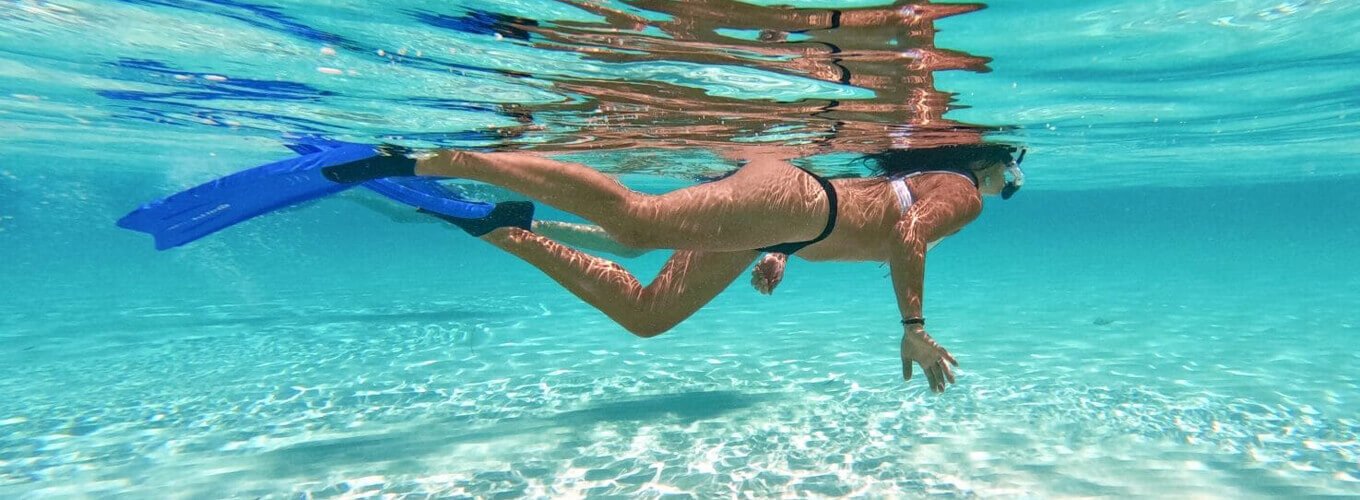
Sharm El Sheikh is one of the world’s top snorkelling destinations, with vibrant coral reefs and abundant fish just off the shore. The best spots include Ras Mohammed National Park, the Straits of Tiran, and reefs at Naama Bay and Sharks Bay, many reachable directly from the beach.
Few coastlines let you meet a living reef this quickly. Along Egypt’s southern Sinai shore you can walk off a hotel jetty, wade through a sandy lagoon, and within moments be floating above a coral garden that begins metres from the sand. That combination of instant access and genuinely world-class reefs is what keeps snorkellers returning to this corner of the Red Sea year after year.
This guide is built to help you get the most from the water while treading lightly on the reef. You’ll find out which sites suit relaxed floating and which reward confident swimmers, how to time your trip around the most comfortable sea temperatures, and how to read the currents so every entry and exit feels safe rather than stressful.
The reefs here are famously rich, home to hundreds of coral species and well over a thousand kinds of reef fish, along with dependable ray sightings and the seasonal thrill of mantas and whale sharks. Read on to plan a confident, camera-ready trip that protects both you and the corals you’ll be admiring.
Quick Reference: What to Know Before You Go
- Instant reef access: many house reefs sit directly off hotel beaches and jetties, so no boat is needed to start snorkelling.
- Choose your mood: sheltered lagoons for calm, easy floating; boat trips for towering coral walls and bigger species.
- Best water temperatures: late spring, early summer, and autumn deliver the warmest, calmest conditions.
- Reef-friendly habits: pack the right gear and learn a few simple etiquette rules to keep the coral healthy.
- Plan by geography: knowing where the shore entries sit lets you fit both sunrise and sunset sessions into one day.
Why This Stretch of the Red Sea Rewards Snorkellers So Well
The magic of snorkelling in Sharm El Sheikh lies in its contrasts. Broad, shallow coral shelves sit right beside sudden vertical walls, so a gentle float and an adrenaline-charged swim can happen within the same bay. Because you’re perched at the southern tip of Sinai, you rarely need a long transfer before you’re in the water, and mornings tend to start on the reef rather than on the road.
Deep water pushing up against the reef edges keeps the whole system fed and busy, drawing schools of fish tight against the drop-offs. Visibility is usually superb, and the layout is beginner-friendly: warm lagoon plates give newcomers a place to practise, while the abrupt walls just beyond satisfy anyone chasing more action.
Timing helps too. The most comfortable months, roughly May to June and September to November, bring warm seas, steady sun, and calm surfaces that let you stay in the water far longer. Because so many strong sites cluster along this coast, you can sample several entries in a single morning and pick each one according to the wind and tide on the day.
That blend of easy access, remarkable biodiversity, and predictable conditions is exactly why this is one of the finest snorkelling bases anywhere today. Whether you’re after tranquil reef gardens or lively edges where larger animals patrol, you can shape your time on the water to suit your own confidence and goals.
The Best Shore-Accessible Reefs
A whole chain of easy shore entries lines this coast, opening up everything from protected lagoons to steep drop-offs. Use calm mornings to your advantage, and always match the site to your comfort level and the day’s conditions.
Ras Nasrani and Ras Ghamila
At Ras Nasrani you can slip into a sandy lagoon full of curious fish, with the occasional turtle passing through, before the reef tumbles away to around 18 to 20 metres and its gorgonian fans. Only head toward the corner drop-off once you’re comfortable, as the currents there strengthen and the bigger visitors appear.
Ras Ghamila spreads out as a wide plateau of hard and soft coral studded with pinnacles and small caverns. You can enter from the jetty or the beach, but keep an eye on the green beacon: currents pick up past that marker, so decide your turnaround point in advance.
Ras Bob, Faraana Bay and El Fanar Beach
Ras Bob, tucked beside a floating platform, stays sheltered and calm, making it an ideal first outing. Expect reliable sightings of anemonefish, butterflyfish, and rays without any of the current worries.
Faraana Bay and Fanar Beach offer flat water and genuinely easy entries, so mixed-ability groups can enjoy dense coral and steady visibility together.
Ras Sid, Temple Reef and Ras Katy
At Ras Sid a narrow reef flat is scattered with hundreds of giant clams before dropping down a wall to around 15 metres. Enter via the El Fanar jetty and steer clear of the point on the left if the flow strengthens.
Temple Reef rises as a cluster of dramatic pinnacles from deeper water, capped with shimmering clouds of sea goldies and sandy patches where rays like to settle. Ras Katy’s shallow plate and unusual blue corals make it a treat, though you’ll want to stay alert for the glass-bottom boats that work the area.
The golden rule: start shallow, read the current before you commit, and pick the site that matches your skill for a safe, memorable swim.
Boat Days to the Icons: Ras Mohammed and Tiran Island
A boat day unlocks sweeping coral plateaus and dramatic walls you simply cannot reach on foot. This is where scale, colour, and vast schools of fish come together for the standout sessions of any trip.
Ras Mohammed National Park
Ras Mohammed protects a large expanse of pristine marine habitat at the meeting point of the Gulfs of Suez and Aqaba. Standout snorkelling spots include Anemone City, Jackfish Alley, and the Seven Pools. Hover over the anemone beds, watch jackfish patrol the blue, and drift above the pool-like basins where sea turtles and countless reef species come into view.
Understanding the Tiran Reefs
Tiran’s four reefs, Gordon, Thomas, Jackson, and Woodhouse, all benefit from the powerful water exchange rushing through the strait. Gordon is the most forgiving, with a plateau running from about 3 to 20 metres and sandy lagoons perfect for longer swims. The others sit more directly in the flow and can feel livelier, so save them for days when the currents are gentle and your confidence is high.
What Conditions to Expect Offshore
When the sun is high, visibility over the reef tops and shelves is superb. Start cautiously, then fan out along the plateau edges where fish traffic increases and the reef reveals its spurs, channels, and quiet sandy patches where rays rest.
When to Go: Seasons, Temperatures and Currents
Visit within the comfortable windows and you’ll enjoy longer swims, clearer water, and calmer surfaces. Timing shapes both how much you see and how long you stay warm, so it pays to check forecasts and choose sheltered entries whenever the wind gets up.
The Comfort Sweet Spots
Mid-May to mid-June and late September to mid-November are the prime windows. The sea hovers around 25 to 27 degrees Celsius, warm enough to stack several long sessions into a single day with barely a shiver in between. Visibility is usually at its best, and the calmer bays let you scan the reef edges for turtles and schooling fish without battling surface chop.
Winter and Summer Considerations
Winter brings cooler air, roughly 23 to 24 degrees Celsius, and a sea around 21 to 23 degrees, so a rash guard or thin shorty wetsuit makes longer swims far more pleasant. Summer swings the other way, with air temperatures that can climb past 40 degrees, so schedule your water time for dawn and late afternoon and stay well hydrated through the midday heat.
If the exposed capes turn choppy, retreat to inner bays such as Faraana or Ras Bob where the water stays calmer. Staying flexible and carrying a warm layer or a cooling towel makes the transitions on land far smoother.
The Marine Life You Can Expect to See
Even a short dip here can deliver close encounters with vivid coral gardens and busy reef life. With hundreds of coral species and more than a thousand kinds of reef fish, brief sessions are often astonishingly productive.
The Reef Regulars
Expect a moving kaleidoscope of butterflyfish, angelfish, sea goldies, and parrotfish flitting around the coral heads. Moray eels and lionfish tuck themselves into crevices, while damselfish stand guard over the shallow flats.
The Bucket-List Encounters
Larger animals turn up regularly, from Napoleon wrasse and eagle rays to jackfish and barracuda cruising the drop-offs. Hawksbill turtles are a common delight, and in season you may glimpse a manta or even a whale shark along the deeper edges.
To see the most, slow your kick and stay horizontal so shy creatures feel safe enough to emerge. If a turtle appears, give it plenty of room and approach calmly from the side rather than head-on. Patient, unhurried swimmers are consistently rewarded with both tiny reef dramas and thrilling big-animal fly-bys.
Gear, Safety and Eco Etiquette
Before you slip in, set up your kit and picture your route along the reef. A minute of preparation saves time and heads off problems once you’re afloat.
Your Kit Checklist
Bring a well-fitting mask, a dry-top snorkel, and full-foot fins. Add a rash guard or thin shorty for sun and warmth, and pack a compact waterproof camera so you can document the reef without ever needing to touch the coral.
Reading the Reef and the Flow
Study your entry and exit points from the shore before you commit. Use jetties and sandy channels rather than standing on living coral. Headlands and capes such as Ras Um Sid can accelerate the current, so start by swimming against any flow and turn back while you still have energy in reserve.
Protecting the Reef and Its Residents
Choose reef-safe sunscreen, cover up with a sun shirt, and apply any lotion at least 20 minutes before you enter the water. Never touch or chase wildlife. In areas with glass-bottom boat traffic, lift your head frequently and tow a bright surface marker so you stay visible.
Rinse your gear after every session and let it dry properly. That keeps your equipment reliable and helps preserve the reef for the snorkellers who follow.
Where to Base Yourself
Your choice of neighbourhood decides how many quick reef sessions you can squeeze into a day, so pick a base that matches your pace, whether that means sunrise dips or lazy afternoon floats.
Al Montazah
Basing yourself in Al Montazah puts Ras Nasrani, Ras Ghamila, and Ras Bob within easy reach, with several jetties offering direct entries straight onto the coral. It’s simple to hop from a protected lagoon to a plateau to a sheltered practice area, which makes it a strong choice for families and mixed-ability groups who value calm bays and shallow reef edges. Short morning sessions mean less travel and more time in the water.
Hadaba and Fanar Bay
Hadaba and Fanar Bay sit within steps of Ras Sid, Temple Reef, and Ras Katy, with El Fanar Beach offering a quick jetty entry to the drop-off when conditions allow. When the cape turns breezy, you can simply retreat into the bay for calmer water. Staying near a house reef here lets you plan sunrise and sunset swims with minimal fuss, sampling several sites in a day and tailoring each one to the wind, the tide, and your energy.
In short: choose Al Montazah for quick, repeated hops, or Hadaba and Fanar Bay for the more dramatic walls. Either way, spontaneous water time becomes part of the daily rhythm.
Planning a Smooth Day on the Water
Build a flexible plan around the weather, your energy, and the sea, so every entry feels worthwhile. Begin with a short shore session near your base to warm up and reacquaint yourself with the reef close in.
From there, decide whether a second local entry or a full boat day suits the conditions. Aim for Ras Mohammed or Tiran on days when the forecast promises lighter winds, which keep entries and floats relaxed.
Pack and pre-stage your kit the night before, including mask, fins, rash guard, reef-safe sunscreen, water, and a small snack, so you can move quickly when the morning looks promising. Set a firm turnaround time and a personal low-energy check to keep something in the tank for the swim back.
Group your shore plans by exposure: start in calm bays such as Faraana or Ras Bob, then move toward the corner edges like Ras Nasrani once the sea settles. If you’re visiting several sites, choose entries along the same reef line to save time between swims. Near busy zones such as Ras Katy, where glass-bottom boats operate, lift your head often and use a bright snorkel or flag so you’re easy to spot. Follow these simple steps and your day on the water will unfold without hassle.
Final Thoughts
Keep your plan simple: a calm morning entry, a steady pace, and an eye for the small moments on the reef. Anchor your days around the two nearby clusters, Al Montazah for Ras Nasrani, Ras Ghamila, and Ras Bob, and Hadaba or Fanar Beach for Ras Sid, Temple Reef, and Ras Katy. When the forecast turns calm, add a boat day to Ras Mohammed National Park or Tiran Island to broaden the sites and species you encounter.
Expect warm water through late spring and autumn and a dense cast of marine life, from flickering butterflyfish to the turtles that appear so reliably here. Base yourself at a beach resort with a house reef and those short, repeated sessions will build into a genuinely rich experience. Above all, respect the coral: no touching, reef-safe sunscreen only, and a measured pace. Pack light, read the conditions, and enjoy the clear-water days that make the Red Sea feel effortless.