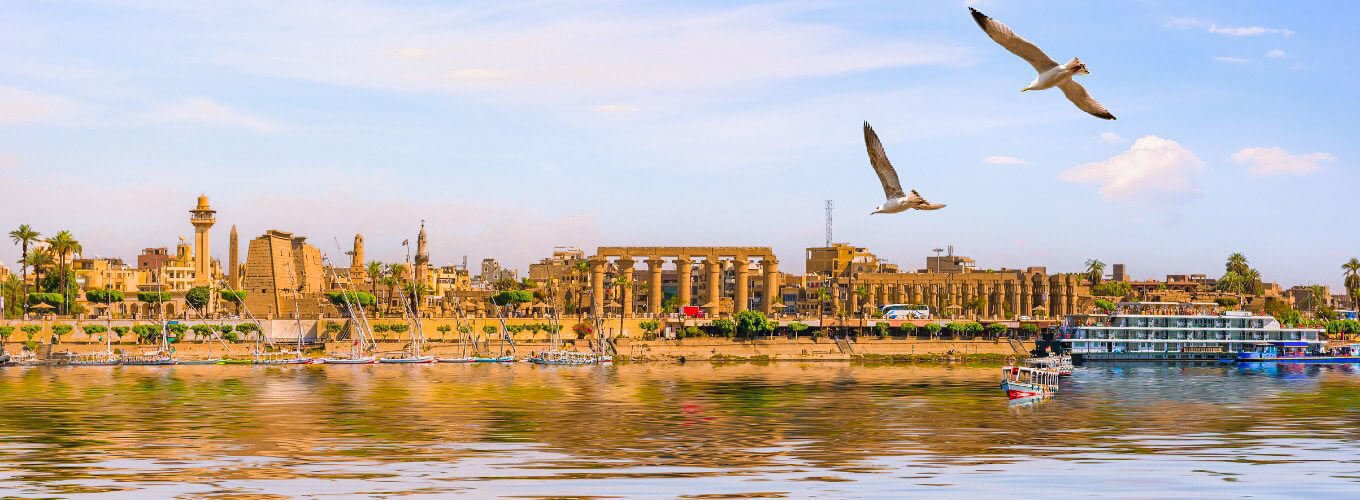
Luxor is an open-air museum split by the Nile: the East Bank holds Karnak and Luxor temples and the modern town, while the West Bank contains the Valley of the Kings, Hatshepsut’s temple and the Colossi of Memnon. Two to three days and an early start beat the heat and crowds.
Few places on earth pack as much history into a single bend of a river as Luxor. On one side of the Nile, the East Bank hums with grand temples, hotels, restaurants, and the railway station; on the other, the West Bank guards the Valley of the Kings and a landscape of quiet, painted tombs. Standing beneath the columns of Karnak’s Hypostyle Hall or walking Luxor Temple’s avenue of sphinxes, it is hard not to feel the weight of three thousand years pressing gently on the present.
This guide is built for first-time visitors. It answers the practical questions up front, when to go, what your tickets actually cover, and how to move between the banks, then helps you shape a realistic one- or two-day plan that leaves room to enjoy rather than endure the heat and the crowds.
Getting Your Bearings: East Bank, West Bank, and the River
In Luxor, the Nile does more than divide the city; it organises your entire trip. It dictates the easiest route to each site and how much of your day disappears into crossings.
The East Bank is the city’s energetic heart. Karnak, Luxor Temple, the museums, the train station, and most hotels and restaurants sit here. If you enjoy street life and evening shows, base yourself on this side for convenience.
The West Bank is the realm of the dead and the quiet. The Valley of the Kings, the Temple of Hatshepsut, Medinet Habu, Deir el-Medina, the Tombs of the Nobles, and the Colossi of Memnon all lie across the water, wrapped in rural calm that feels most magical at dawn and dusk.
Ferries cross frequently and cheaply, so short hops tie the two sides together. The trick is to batch your sites: group the East Bank temples into one session and the West Bank tombs into another, and cross at off-peak times to catch better light and shorter queues.
The Best Time to Visit Luxor
Plan around the seasons and the angle of the midday sun and you will get far more out of every outdoor site. October through April is the most comfortable window, with milder days and softer light that suit long visits among the ruins.
Summer, from June to August, is another matter, with daytime temperatures often climbing into the high 30s and low 40s Celsius (roughly the upper 80s to low 100s Fahrenheit). Shade is scarce at temples and tomb entrances, so shift your sightseeing to the cooler ends of the day and save the golden hour for photography.
Beating the heat
Aim for the earliest openings, often around 6 to 8am, to see the major sites before the heat and the tour groups arrive. In winter, pack a warm layer, as mornings can dip toward 7 Celsius (around 45 Fahrenheit). During peak sun, retreat indoors to a museum or a shaded cafe, hydrate constantly, and wear high-factor sunscreen and a breathable hat. Always double-check posted hours near your travel dates, as seasons and holidays shift opening times.
How Many Days Do You Need?
How much time you set aside shapes what you can realistically see and enjoy.
One day: prioritise the West Bank headliners early, then cross back to the East Bank for a golden-hour or after-dark visit to Luxor Temple to end on a high.
Two days: split the programme. Spend Day 1 on the West Bank (Valley of the Kings, Hatshepsut, and one quieter temple) and Day 2 on Karnak, the museums, and a late-afternoon felucca on the Nile.
Three days or more: add sunrise ballooning, a deeper look at the Tombs of the Nobles, and slower photography, or fold in Deir el-Medina, Medinet Habu, and the Luxor Museum without rushing.
Whatever your span, use the early mornings for the farthest or most popular sites and keep the close-in, atmospheric spots for softer afternoon light. A realistic rhythm is two major sites before lunch and one or two lighter visits after, capped with an evening experience, with water, shade, and meal breaks built in.
Essential First-Timer Tips to Save Time, Money, and Energy
Smart pacing and simple preparation are your biggest allies on hot, busy site days. Start early, plan a midday break in the shade or a museum, and keep your expectations grounded.
Heat, hydration, and shade
Carry more water than you think you will need and sip often. Wear breathable layers, a brimmed hat, and sturdy shoes for the uneven stone and sand. Schedule a genuine cool-down during the peak heat and save long photography sessions for the kinder light of late afternoon.
Tickets and photo permits without the overwhelm
Buy tickets with a plan. The Valley of the Kings basic entry covers three tombs; headline chambers such as Tutankhamun or Seti I require separate add-on tickets. Photo permits for tomb interiors are sold at some sites, so budget for one if you want interior shots. Treat airport-style security as routine and build a few minutes into your schedule for it. To avoid information overload, pick a single theme for each session, architecture, daily life, or relief carving, and take brief notes between stops. A focused two-hour visit beats a fatigued four-hour slog every time.
Two Smart Itineraries
The perfect single day
Start before dawn on the West Bank and reach the Temple of Hatshepsut at opening for cool light and few people. Move on to Medinet Habu before the midday crowds, then save the Valley of the Kings for mid-afternoon, when many groups have already left. Cap the day at Luxor Temple during golden hour and stay into the evening to see the reliefs under dramatic lighting.
Two days at a comfortable pace
Day 1 focuses on the West Bank: Hatshepsut first, then the Tombs of the Nobles or Deir el-Medina, and the Valley of the Kings later in the day. Day 2 begins at Karnak on opening, followed after lunch by the Luxor Museum and the Mummification Museum, and ends with a sunset felucca on the river.
Dodging the crowds
Because most groups begin at the Valley of the Kings, reverse the flow and arrive in the late afternoon, around 3:30pm, for a calmer visit before closing. Bookend your days with short breaks for shade and snacks, and stay flexible: if a site feels packed, swap the order and push the busy stop later.
East Bank Highlights
The city’s eastern side compresses great temples, compact museums, and glorious evening light into one walkable stretch.
Karnak Temple
Enter at opening to experience the Hypostyle Hall’s forest of columns in soft light and relative quiet. Walk outward afterward to discover obelisks, chapels, and lesser-known courtyards that reveal how the complex grew over roughly two thousand years. Move clockwise and leave time to pause at individual reliefs.
Luxor Temple
Save this one for late afternoon, when golden light warms the statues and walls, then watch the site take on real drama as the floodlights come up after dark. Stroll part of the Avenue of Sphinxes, which once linked Luxor and Karnak, and scout angles near the first pylon as sunset slides into blue hour.
The museums
Use museum time as a cool, informative break. The Luxor Museum’s curated statues, jewellery, and reliefs help decode what you have seen outdoors, while the Mummification Museum explains the techniques and beliefs behind so many tomb scenes on the West Bank. Check posted hours so you can slot them into early mornings or evenings.
West Bank Highlights
The West Bank holds some of the region’s most intimate and powerful monuments, so move slowly and let each one register.
Valley of the Kings
Your basic ticket at the main entrance covers three tombs, so choose a mix of vivid colour, deep carving, and well-preserved relief to suit your taste. Headline chambers like Tutankhamun or Seti I need separate tickets, and a photo permit is available if you plan to shoot inside. A mid-to-late afternoon visit helps you avoid the largest morning groups.
Temple of Hatshepsut
Arrive early to enjoy the tiered terraces and dramatic cliff backdrop in quiet, flattering light. The layered architecture rewards slow, deliberate exploration.
Medinet Habu
Do not overlook the mortuary temple of Ramesses III, whose reliefs still carry traces of original paint and tell intense stories of warfare and ritual. It is often far quieter than the bigger temples.
Deir el-Medina and the Tombs of the Nobles
These tombs depict scenes of daily life and skilled craftsmanship that balance the royal focus of the Valley of the Kings, adding a human dimension to the funerary story.
Colossi of Memnon
Pause at these two towering statues for a classic scale photo, then move on to smaller, near-empty temples if you crave calm. Grouping nearby sites cuts transfers and conserves energy in the heat. Check the entrance board for tomb rotations or closures so you do not hunt down a sealed chamber.
Bucket-List Experiences: Sunrise Balloon and Sunset Felucca
The hot air balloon
Begin a day high above the river for a perspective that reshapes how you see the temples below. Expect a pre-dawn pick-up and, if you are staying on the East Bank, a short boat crossing. The balloon lifts from the West Bank, and the view takes in the Valley of the Kings and Hatshepsut’s terraces. Wear closed shoes and a light layer, as desert mornings are brisk, and book it for your first morning in case winds force a reschedule.
The felucca
In the evening, drift on a felucca as the city shifts from gold to indigo. These wind-powered sailboats offer an unhurried counterpoint to a busy day and pair beautifully with golden-hour photos. Bring water, a light jacket, and a dry bag for your phone, and sit mid-boat if you are prone to motion sickness.
A Classic Day Trip: Dendera and Abydos
A full day north of the city delivers two very different but deeply rewarding temples. Dendera is famous for its vividly painted ceilings and astronomical motifs, among the most colourful temple interiors in Egypt, while Abydos houses the celebrated King List and exquisitely fine carving in the Temple of Seti I.
Start early to make the most of site hours and to move smoothly through checkpoints, and hire a knowledgeable driver who knows the route. Expect long stretches of road and limited services near the sites, so bring snacks and water. Photograph the ceilings and low reliefs in soft morning light to cut glare and bring out the depth.
A Nile Cruise from Luxor
Stepping aboard a cruise lets the river reveal a string of temples, locks, and villages as you sail toward Aswan. Typical itineraries run three to four days and stop at Esna, Edfu, and Kom Ombo, so you layer in visits without endless packing and unpacking. Route highlights include Esna’s lock, Edfu’s Temple of Horus, and Kom Ombo’s unusual double temple.
The choice of vessel matters: traditional sail-powered dahabiyas offer a quiet, intimate charm, while larger ships add pools and modern comforts. Compare cabin layouts and what is included (meals, guided walks, entrance fees) to match comfort with value. Pack a light layer for breezy decks and modest clothing for temple stops.
Tickets, Hours, and Photography
Getting the ticketing right saves time and spares you surprises at the gates.
Where to buy
Pick up West Bank cluster tickets at the main ticket office before heading out to the individual sites; this saves repeat trips in the heat. If you plan to photograph interiors, buy your photo permit at the same window so you are not turned away at a tomb entrance.
Valley of the Kings rules
Buy the base ticket on site; it covers three tombs, with separate tickets for chambers like Tutankhamun, Seti I, or Ramesses V/VI. Confirm posted hours a day or two ahead, as openings shift seasonally and around holidays, and ask the clerk which tombs are open that day, since rotations affect your plan.
Student discounts and cash
Many attractions offer up to 50% off for students under 30 with a valid card, so keep yours handy. Carry cash too, as some windows still prefer notes to cards, and snap a quick photo of the posted rules for reference.
Getting Around: Air, Train, Taxi, Ferry, and Bike
The right mix of transport saves both time and energy.
Air and rail
Domestic flights are common and quick; expect two security checks and somewhat inconsistent rules on liquids. Trains link Cairo with Luxor and offer a straightforward long-haul option, practical if not always the fastest.
Ferry, taxis, and bikes
The local ferry is the simplest way to cross the Nile between banks, running often and costing little. On the ground, taxis and private drivers are the easiest options; agree the price and any waiting time up front. Self-driving is not recommended given the traffic. On the West Bank, cheap bike hire lets you move between nearby tombs and temples, ideally paired with a short ferry hop for an efficient morning loop. Always build in a little buffer time between transfers.
Where to Stay and Where to Eat
Choosing your base
Stay on the East Bank for city conveniences, plenty of restaurants, quick temple access, and the train station close at hand. Choose the West Bank for quiet evenings, short morning hops to the tombs, and a more local, character-filled stay in a guesthouse or boutique property. Some travellers even split their nights, starting west for early tomb visits before moving east for museums and night light.
Eating well and safely
Seek out local restaurants serving grilled meats, tahini, fresh bread, and rice dishes, with shawarma, kebabs, and nut-filled pastries all easy to find. Stick to bottled water for drinking and brushing your teeth, skip the ice, and favour cooked dishes if you are sensitive to raw produce. Time lunch between site sessions to rest in the shade, and save rooftop dining near Luxor Temple for after a late-afternoon or evening visit.
Money, Tipping, and Everyday Costs
How you pay quietly shapes each day. Carry Egyptian pounds for ticket windows, markets, and small vendors, and keep small notes to hand; cards work at many midrange and upmarket places but not everywhere. ATMs are common in town and at larger hotels, so withdraw in the morning for a day’s worth of small bills. Some services quote in US dollars, but paying in local currency usually makes daily spending simpler.
Tipping, or baksheesh, is customary. Aim for around 10% in restaurants, a little more at upscale spots, and leave small coins for cafe staff and restroom attendants. Negotiate taxi fares before you set off, keep change ready, and settle on a modest tipping range in your head before the day begins.
Safety, Scams, and Etiquette
A little awareness lets you move through checkpoints, crowds, and markets with confidence. Expect visible security, metal detectors, bag checks, tourism police, and highway checkpoints, at major sites; it is there to protect visitors and locals alike, so allow a few extra minutes and keep your ID handy.
Decline unsolicited help firmly and keep moving, as many offers to point out an obvious feature or take your photo come with an expectation of a tip. Avoid handing your phone to strangers unless you have agreed a tip first. Haggling is normal in markets, so smile, counter, and be ready to walk away. Dress modestly in towns and at religious sites, covering shoulders and knees, and if someone persists after you have declined, simply disengage. Respect all ropes, signs, and barriers at temples and tombs, which protect fragile art.
What to Wear and Pack
Breathable layers and good shoes let you enjoy long site hours without heat fatigue. Pack light, long sleeves and airy trousers to block UV while staying modest, plus a brimmed hat and sunglasses to cut the glare. Choose supportive, closed shoes with good grip for the uneven terrain, and carry a lightweight scarf against dust and sun.
On the tech side, Egypt uses 220V/50Hz with two round pins, so bring a Type C adapter and a voltage converter if your devices are not dual voltage, and pack a power bank for maps and photos. A local SIM or eSIM keeps you connected and lets you receive any Wi-Fi access codes sent by text. Round out your kit with a refillable bottle and electrolytes, high-SPF sunscreen, a small first-aid kit, and a zippered crossbody bag for your valuables.
Final Thoughts
A handful of smart choices, when you go, which tickets you buy, and how you cross the river, turn Luxor’s scattered wonders into a story you can follow with ease. Ferries simplify the crossings, tickets and photo permits are straightforward once you know where to buy them, and the ever-present security quickly feels routine and reassuring. Lean on the early mornings and late afternoons to balance heat, light, and crowds.
One day offers an unforgettable snapshot; two open up deeper scenes and calmer moments on the water. Pack your sun protection, keep water and cash close, and let your own interests, temple architecture, tomb art, or a peaceful felucca, lead the way. Handled well, the logistics fade into the background and leave you free to savour one of the great travel experiences on earth.