To plan a trip to Egypt, choose your travel dates (October to April is most comfortable), decide how long to stay, and list must-see places like the Giza pyramids, a Luxor-to-Aswan Nile cruise and the Red Sea. Then sort visas, domestic flights and hotels, or book a guided package to handle it all.
Which season, which route, and which daily rhythm turn a trip to Egypt from frantic to effortless? The country packs pharaonic temples, world-class diving, desert sunrises, and river journeys into one itinerary, and a little planning is the difference between a holiday that flows and one that exhausts you. This guide gives you a clear roadmap: when to go, what to sort before you land, how to move between sites, and how to shape a week that feels like discovery rather than a checklist.
First decisions: the shape of your trip
Before you fix any dates, decide whether you want a fast highlights sweep or a slower, more immersive journey. That single choice determines how much time you give each city and how relaxed each day feels. From there, sketch a simple itinerary that pairs big mornings at the major sites with lighter afternoons.
Block the essentials early: the Pyramids of Giza, the Egyptian Museum, Karnak, and the Valley of the Kings deserve prime slots. Then thread in the extras that give a trip its texture, such as a felucca ride at sunset or a wander through a spice market. Book the high-demand items well in advance, particularly domestic flights, popular guided tours, and your preferred accommodation, and build transit buffers into checkouts and transfers so a shifted schedule never topples the whole day.
Think, too, about where a guide genuinely adds value. Complex archaeological sites come alive with context and storytelling, while a market stroll needs none. Save offline maps of each city before you arrive, and plan to lean on mobile data for navigation and ride-hailing when hotel Wi-Fi proves patchy.

When to go
Season shapes everything: the heat, the water temperature, and how crowded the sites feel. Match your months to the activities you care about and long museum days, sunrise temple visits, or reef snorkelling all slot into relaxed rather than rushed days.
The Nile corridor
For Cairo, Luxor, and Aswan, the window from November through March is the most comfortable, with pleasant highs around 24°C in Aswan and easy touring between sites. Reserve the ancient complexes for the mornings and keep afternoons for a shaded café break or a slow walk along the corniche.
The Red Sea
The coast is at its best in late spring and early autumn, when the water sits around a warm 32°C and beach days are sunny without the peak-summer scorch. Winter sea temperatures can feel chilly, so pack layers if you plan to split time between ruins and reefs. High summer can push past 45°C inland; if you still want to travel then, start temple visits at daybreak, rest through the middle of the day, and save air-conditioned museums for the hottest hours.
Visas, money, and connectivity
Landing with the essentials already handled sets a calm tone for the whole trip. Most visitors need a visa, and a single-entry option costs roughly US$25. Applying online in advance saves time at the airport, though a visa on arrival remains an option if that suits you better.
Visa basics and the Sinai stamp
If your stay is confined to the Sinai resort towns for under 15 days, you may receive a free entry-permission stamp rather than a full visa. That stamp restricts your movement, and some protected areas still require the full visa, so keep passport copies and printed confirmations to hand for border checks.
Cash, cards, and baksheesh
Cash rules most daily purchases. Withdraw Egyptian pounds from ATMs as you need them and keep a supply of small notes for quick payments. Upscale hotels and restaurants generally accept cards, but terminals can fail, so carry a backup bank card. Factor small tips, known as baksheesh, into your budget: they are customary and appreciated for porters, site staff, and washroom attendants alike.
Staying connected
Pick up a local SIM in the airport arrival hall for data that is far more reliable than many hotel networks. If your phone supports an eSIM, that is an easy alternative you can activate before you even land. Save visa receipts, hotel confirmations, and tickets offline in case your connection drops, and share your key contacts with someone at home before departure.
Getting around
Moving between the major centres works best when you match the transport to the distance and to your daily schedule.
Flights, trains, and buses
Trains, buses, and planes all link Cairo with the Nile corridor. For the longer hops, such as Cairo to Luxor, a domestic flight saves hours and frees a packed day for sightseeing, so reserve early when your schedule is tight. Sleeper trains are a characterful and cheaper alternative, but tickets sell out, so book well ahead if that is your preference.
On the ground
For arrivals, arranging an airport pickup through your accommodation removes a lot of stress after a late flight. Keep your hotel name written in Arabic and pinned on an offline map as a backup. Use metered taxis where you can, and otherwise agree a clear fare before you set off. Carry small notes, as many drivers prefer cash, though some in the larger cities now accept cards. If you include a cruise between Luxor and Aswan, time your flights or trains so that embarkation fits neatly, and build transfer buffers for checkout, security, and traffic.
Building a smart, flexible itinerary
Group nearby highlights together so that long transit days do not drain your energy, and leave rest pockets after early starts or long transfers.
Cairo and Giza
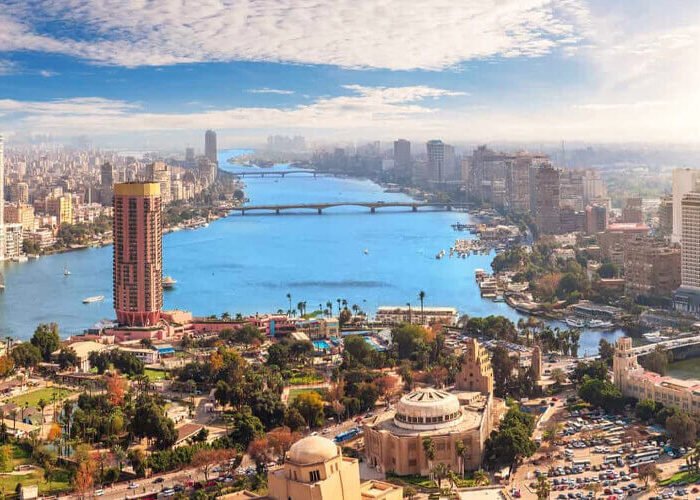
Give the Pyramids of Giza and the Sphinx a full day, and add Saqqara’s Step Pyramid the same day to see how pyramid design evolved. Pair those visits with the Egyptian Museum in downtown Cairo, where the artefacts bring welcome context to the monuments you have just stood beneath.
Luxor
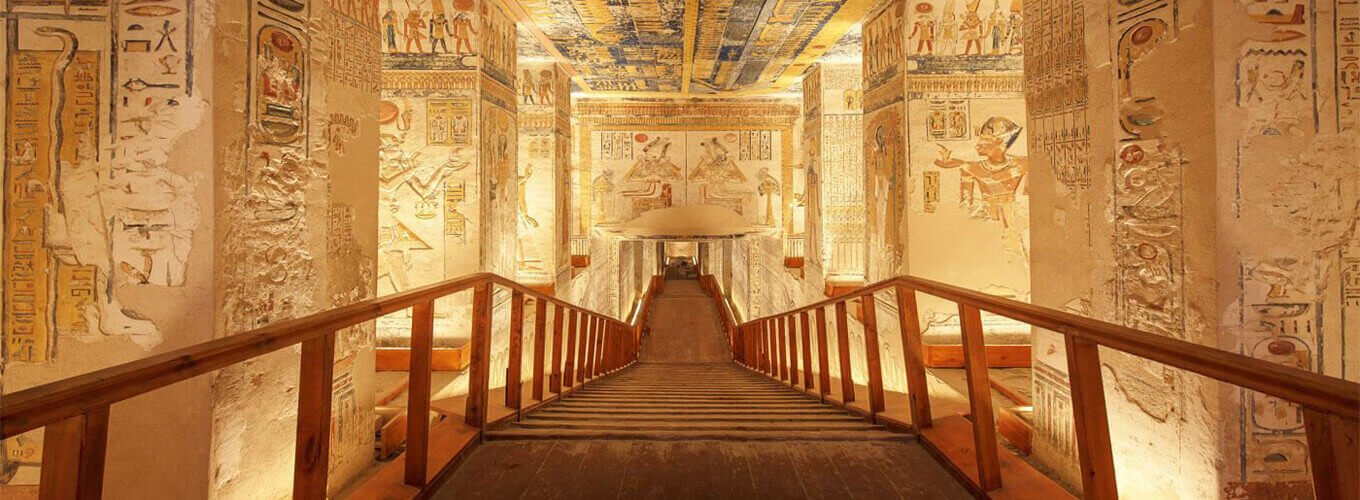
Fly or travel overland to Luxor. Spend an afternoon among the vast columns of Karnak Temple and end with an evening stroll past the floodlit Luxor Temple. Reserve a morning for the Valley of the Kings, entering several tombs, and then cross to the West Bank for the terraces of Hatshepsut’s temple.
Aswan and Abu Simbel
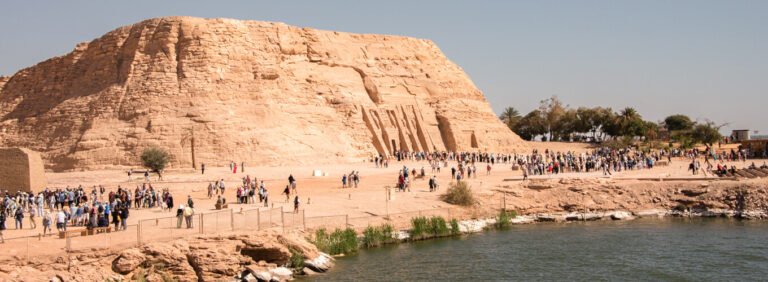
Continue to Aswan by flight or train. Visit the island temple of Philae by boat, take in the High Dam overlook, and enjoy the gardens of Elephantine Island. Plan Abu Simbel as a very early day trip, departing before dawn to beat both the crowds and the heat; the long drive rewards you with two of Egypt’s most dramatic temples and quieter time on site. Throughout, hire a guide at the major complexes if you want narrative depth, book key entries and transport ahead during busy months, and choose accommodation close to the areas you visit most each day.
Nile cruises
A Nile cruise blends calm river sailing with early-morning visits to ancient sites, and it neatly folds lodging, transport, and guiding into one experience. Most classic itineraries run the Luxor to Aswan corridor in both directions, with a handful of longer voyages starting nearer Cairo for extra river mileage.
Routes and inclusions
Shore stops typically include Karnak, Luxor Temple, Edfu, and Kom Ombo, with an overland transfer laid on for the Valley of the Kings. A three to four-night schedule hits the highlights without rushing. Standard fares usually cover the cabin, meals, and guided visits to the main temples and tombs, so check what the extras cost, as Abu Simbel, Nubian village visits, and small-boat rides are often add-ons.
Onboard life
Days follow an easy pattern: excursions in the mornings, lounging on shaded decks in the afternoons. Decide in advance whether you want tightly structured tours with a guide or more free time at each stop. Pack sun protection, light layers, and a refillable bottle to stay comfortable on deck.
Adding the Red Sea
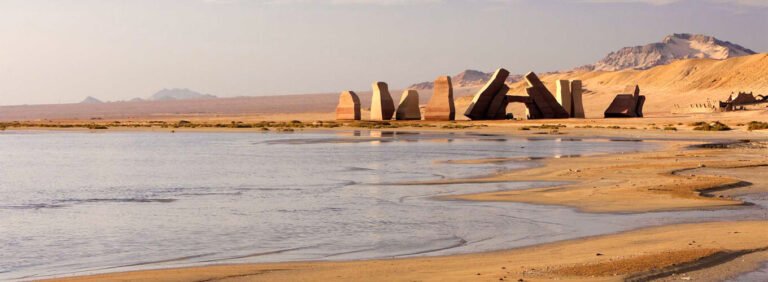
Once the temple hours and long drives are behind you, the Red Sea offers clear water, coral reefs, and slow evenings. A few coastal nights recharge you and add welcome contrast to a land-heavy itinerary.
Resorts and water sports
Resort cities such as Sharm el-Sheikh and Hurghada offer the widest choice of beachfront hotels and make it simple to book morning snorkelling, dive trips, or glass-bottom boat tours without fuss.

Dahab for a slower pace
Choose Dahab when you want to unwind. It is ideal for shore diving, easygoing cafés, and mellow seafront walks that help you recover after big site days such as an early Abu Simbel run. Link a Nile segment to the coast with a short domestic flight, then expect a simple road transfer into the smaller towns. Even a tight schedule benefits from two or three coastal days to decompress before flying home. Schedule dives and snorkelling for the morning when visibility is usually best, and pack reef-safe sunscreen, a light cover-up, and a wide-brimmed hat.
Culture, packing, and everyday tips
Sensible gear and a little local courtesy make for a far smoother experience at museums, temples, and hotels.
Dress and site etiquette
Dress modestly and cover shoulders and knees in public. Carry a light scarf for visits to mosques and churches, and wear shoes that slip on and off easily for the frequent security checks. At ancient sites, follow the signage, resist climbing on the stones, and never touch painted tomb walls, as many places also restrict photography.
Heat, water, and health
Beat the midday heat by touring early and resting in the shade. Use a filtered bottle for safe drinking water and sip often. Pack sunscreen, a brimmed hat, sunglasses, and a small first-aid kit for blisters, upset stomachs, and insect bites, and bring snacks and plan short rests at big sites like the Egyptian Museum, the Giza pyramids, or Abu Simbel.
Money and tipping
Cash covers small purchases and tips, while cards work at the higher-end hotels and restaurants. Keep small notes handy for guides, drivers, washroom attendants, and site guards. Haggle kindly in the markets, save hotel addresses in Arabic on your phone, and pin them offline for easy navigation.
Conclusion
Plan your Egypt trip around a few simple rules and the days stay both rich and calm. Choose a clear itinerary and match your accommodation to each day’s sights, so you spend more time exploring and less time commuting. Add a Nile cruise if you want river rhythm between the cities, and thread the Red Sea onto the end of your route for reef rest after the ruins. Sort your visa, airport SIM, and cash plan before you leave, keep the overall plan flexible, pick a favourite destination or two to linger in, and let the trip unfold at your own pace.