Egypt is generally safe for tourists, with a visible tourism-police presence at major sites and resorts. Standard precautions apply: use licensed tour operators, avoid demonstrations and large gatherings, respect local customs and dress codes, and check your government’s travel advisory before you go.
Egypt is one of the most rewarding destinations on earth, yet conditions on the ground can shift quickly, and a confident trip is a well-prepared one. This guide is not about fear; it is about giving you the practical habits that let you focus on the temples, reefs, and markets rather than the what-ifs. Security postures, checkpoints, and even curfews can change with little warning, so a flexible mindset is your first piece of kit.
Key points to carry with you
- Stay informed: monitor local news and official advisories before you leave and throughout the trip.
- Sort your documents: enrol in your government’s traveller programme, back up every paper, and meet the passport-validity rules.
- Steer clear of hotspots: avoid demonstrations and sensitive dates, and respect exclusion-zone guidance.
- Prepare for health: carry prescriptions in their packaging, keep to a three-month supply, and update your vaccines.
- Know the entry and exit rules: you need proof of your entry stamp to receive an exit stamp.
A quick reality check before you fly
Start every trip with the assumption that plans may need to flex. Follow both local and international media in the days before departure and while you are travelling, and build slack into your schedule in case flights or airspace are disrupted at short notice.
Keep a low profile around crowds. Arrests have occurred for bystanders near gatherings and for social-media posts critical of the authorities or their allies. If a crowd forms, move away calmly and find a clear route out rather than lingering to watch.
Expect visible security throughout cities and at major sites, including bag scanners and metal detectors. Use signed, official entrances and follow any cordons; there were attacks on tourist buses near the Giza pyramids in 2018 and 2019, and the designated access points exist for good reason. Round this off with practical backups: register with your country’s traveller scheme, keep offline copies of your passport and visa, and keep medicines and chargers in your carry-on.
Understanding regional risk
Some parts of Egypt carry far higher risk than the tourist heartland and require permits or should be avoided outright.
Restricted zones and permits
Do not travel to Northern and Middle Sinai, where curfews apply and the threat of kidnapping and carjacking is real. The Western Desert and the border areas with Libya and Sudan carry risks from active operations and porous frontiers, and landmines still exist in parts of some coastal and desert areas. South Sinai traffic is monitored with checkpoints, and crossings from the mainland can require 4×4 permits. Confirm permits, fuel stops, and route markings before any desert outing.
Cities, resorts, and the road
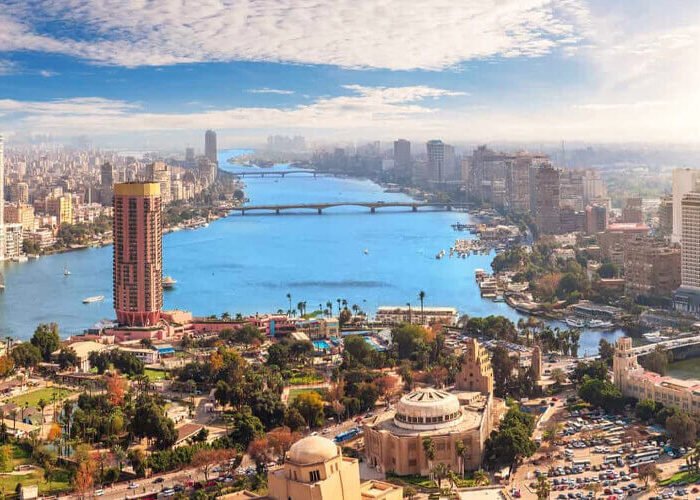
Cairo, Giza, Luxor, Aswan, and the Red Sea resorts warrant normal, heightened caution rather than avoidance. Stay on main roads, enter sites by their signed gates, and follow hotel or official guidance. Checkpoints between cities are routine, so keep your passport and vehicle papers to hand and comply politely.
Everyday safety habits
Stay plugged in
Subscribe to embassy alerts through your national traveller programme, switch on push notifications, and set a couple of fixed times each day to check for updates, especially before departures or major site visits.
Be alert at sites and transport hubs
Spend as little time as possible loitering in crowded arrival halls, and stay near security lines. Around religious sites, keep moving and avoid peak service times to reduce your exposure.
Have a contingency plan
Keep digital and paper copies of your passport pages and entry stamp, and email a set to a trusted contact. Sketch out a simple fallback plan with alternate flights, two backup hotels, embassy contacts, and vetted ground transport. Carry a power bank, test your SIM on arrival, pack a slim first-aid kit, and confirm your insurance includes medical evacuation. Above all, trust your instincts: if somewhere feels wrong, leave and regroup in a well-lit, busy spot.
Visiting the great monuments
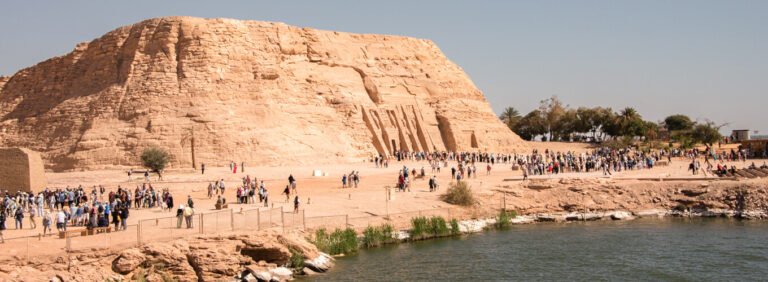
A little timing turns a hectic monument into a calm morning. Arrive outside the peak tour-bus windows, ideally early morning or late afternoon, which shortens queues and keeps you in daylight.
Reading the site as you arrive
Follow the marked lanes, keep your hands free for screening, and note the shaded exits before you start exploring. Occasional ID checks happen near sensitive spots, so carry your passport or a good copy and cooperate politely. Focus on a few highlights rather than rushing every corner.
Photography and unwanted attention
Phone photos are widely allowed, but a tripod often needs a permit or fee, so ask at the ticket desk first. Never photograph checkpoints, police, soldiers, or government buildings. If a stranger offers unsolicited help with photos or directions, decline politely and move on, keep valuables in front of you, and head to a pre-agreed pickup point rather than lingering at gates where touts gather.
Getting around safely
Why not to drive yourself
City traffic can be chaotic, with faded lane markings, constant horns, and unpredictable vehicles, and the country records high accident rates. Some taxi back seats lack seat belts, and local driving norms are not something to learn on the fly. For most visitors, handing the wheel to an experienced local driver is the calmer, safer choice.
Licensed drivers and reputable services
For intercity journeys, hire a licensed driver through a reputable company with well-maintained cars and working seat belts, and confirm pickup times, the route, and a phone contact before you set off. Expect checkpoints between cities and in South Sinai; keep your passport, vehicle papers, and hotel booking ready, travel in daylight, and stick to main highways. If an accident happens, stay calm and leave vehicles in place unless there is danger; in the rare event of a carjacking, prioritise your safety and comply rather than resist.
Metro, taxis, trains, and what to avoid
In the city, default to official or app-based taxis, agree the fare upfront if there is no meter, and sit in the back. The metro is fast but crowded, so use the women-only cars at peak times and keep your bag in front of you. On trains, choose higher classes and travel by day. Avoid microbuses altogether, given their poor maintenance and hazardous driving, and treat overcrowded ferries with caution by boarding early to check exits and life jackets. Always verify a driver’s identity and plates before getting in, and leave extra time for airport transfers.
Documents, entry, and visas
Good paperwork is the difference between a smooth exit and a last-minute scramble. Check your passport months ahead: it must be valid for six months beyond your planned departure, and some airlines ask for even longer.
Keep proof of entry
Photograph your passport bio page and your entry stamp, because you will not receive an exit stamp without proof of entry. If you renew your passport while in Egypt, visit Immigration to transfer the original entry stamp well before you leave.
Visas and overstays
Many nationalities can use the official e-visa or obtain a visa on arrival; save screenshots of any approval in case airport Wi-Fi is unreliable. Overstaying can attract fines, so contact Immigration early if you need an extension.
Children, dual nationals, and medicines
Newborns and some dual nationals may need a specific data stamp to exit, and dual citizens can be treated as nationals for certain procedures, so confirm the rules for each passport you hold. Pack medicines in their original packaging with prescriptions and no more than a three-month supply, as some controlled drugs are restricted. Keep paper and digital copies of your passport, visa, entry stamp, and bookings to speed every check.
Money and payments
A sensible mix of cards and Egyptian pounds prevents awkward moments at busy sites. Cards work at many official counters and larger businesses, but smaller vendors usually want cash.
Cash, cards, and ATMs
ATMs are common at airports and major hotels, though many cap withdrawals, so allow time for more than one visit and split your funds across two cards in case one network goes down.
Small bills and reducing risk
Keep small notes for restroom attendants and quick favours, where 5 to 10 EGP is typical, and carry change at sites where attendants provide toilet paper for a small fee. Only carry the cash you need for the day, lock the rest in your hotel, and avoid flashing large amounts in crowds. If an ATM debits you without dispensing, photograph the machine ID and contact your bank straight away. Paying the exact amount for taxis and quick buys avoids disputes, so learn to recognise the notes.
Health and hygiene
A short burst of planning protects the whole trip. See a travel-health provider around six weeks before departure for tailored advice and any needed shots.
Vaccines
Review routine vaccines such as MMR, tetanus, and polio; poliovirus circulates in some countries, so confirm boosters as part of your checklist.
Food and water
Drink bottled water, including for brushing your teeth, avoid swallowing water while showering or swimming, and skip raw produce you cannot peel. Steer clear of freshwater exposure, since schistosomiasis and other parasites can be present even in clear water.
Medical care and medication
Emergency and intensive-care facilities are limited in many areas and ambulances can be unreliable, so buy insurance that covers medical evacuation and store the 24/7 contact number offline. Carry a simple kit with oral rehydration salts, anti-diarrhoeals, sunscreen, and basic medicines, and note your allergies and prescriptions where you can find them fast.
Staying connected
Sort your data and duplicate your contacts at the airport rather than later. Buy a local SIM at an arrivals kiosk or activate an eSIM before you land, make sure your phone is unlocked, and test a call and mobile data before leaving the terminal. Save the key numbers, including 112 or 122, your embassy, and your insurer, both in your phone and on paper, and pin hospitals, Tourist Police stations, and your embassy on an offline map. Share a short note with your group listing flights, addresses, and meeting points so everyone can regroup if plans change.
Women’s safety
A few small choices noticeably cut unwanted attention. Women, including visitors, can encounter staring, catcalling, or unwanted touching, and incidents tend to rise around public holidays.
Awareness and confident movement
Walk with purpose and a clear destination; confident body language on busy streets discourages hassle. Use women-only metro cars where available and sit in the back of taxis, which keeps you nearer an exit. At night, move as a small group with clear meeting points and avoid isolated underpasses and dim side streets.
Getting help
If harassment escalates, head straight for security staff or a busy, well-lit area. After any assault or theft, go to the nearest Tourist Police post, file a report, and ask for a written copy, which matters for follow-up and insurance. Keep an emergency contact on speed dial and set clear boundaries about photos and unsolicited help.
Demonstrations and sensitive dates
Crowds can change the mood of a street in minutes, so plan routes with quick exits in mind. Demonstrations sometimes appear without warning, often on Fridays after noon prayers, and local law prohibits unpermitted protests, with arrests possible even for bystanders.
Rerouting quickly
Give yourself several exit options at any attraction and avoid long dead-end streets. If a gathering forms, leave early via side streets, stay calm, and do not film or provoke the crowd. Keep your phone charged with an offline map, and share your live location with a trusted contact.
Higher-risk dates
Mark sensitive dates on your calendar, including 25 January, the week of Orthodox Easter, 30 June to 3 July, and 14 August. On those days, favour museums and indoor attractions, allow extra time to reach transit hubs, and choose accommodation away from known rally points.
Respecting laws, culture, and religious sites
Social media and legal sensitivities
Post thoughtfully. Avoid political commentary, security observations, or irreverent content from sensitive areas, as people have been detained over posts. Never photograph police, soldiers, checkpoints, or government buildings, and avoid singling out individuals or private property.
Dressing and behaving at places of worship
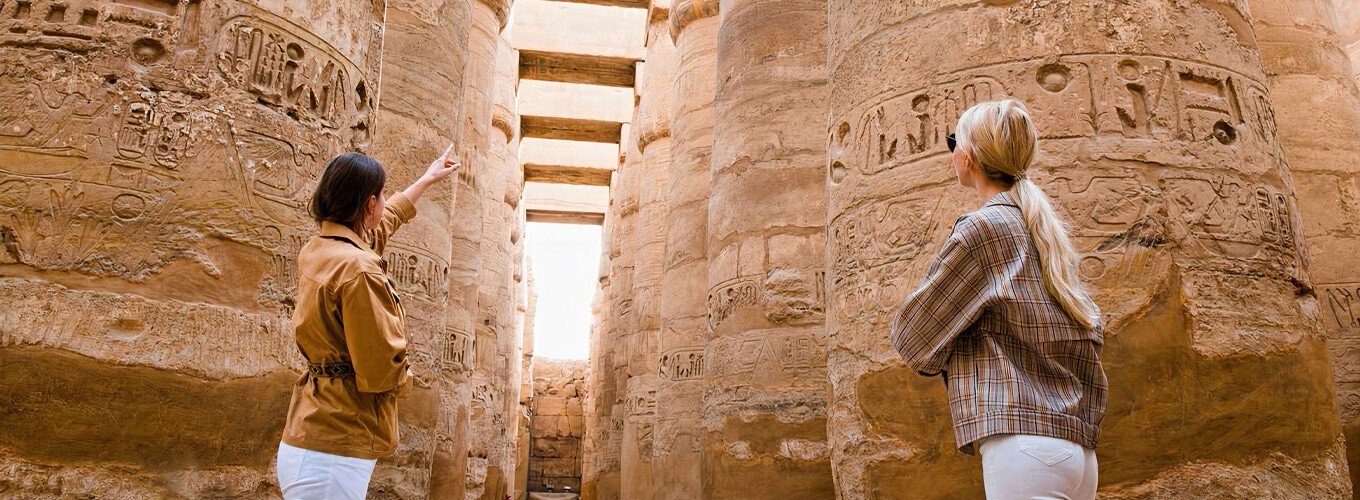
Dress modestly, keep your voice low, and follow posted rules at sacred sites; a light scarf or cover-up lets you adapt quickly. Do not cross roped-off sections, ask a uniformed staff member if you are unsure of a rule, and respect queues and personal space. Small courtesies go a long way toward being a welcome visitor.
Adventure and desert travel
Remote areas reward preparation, not spontaneity. Secure the required permits well in advance and confirm which areas are off-limits; the approach to Siwa, for instance, is long, partly unpaved, and thin on services, so top up fuel and cash in Marsa Matruh and avoid off-road detours where landmines may remain. Plan road segments for daylight, allow time for checkpoints, and carry more water and spare fuel than you expect to need. Choose reputable operators for 4×4, dive, or snorkel trips, inspect vehicles and safety gear before you commit, and confirm your insurance covers adventure activities and remote evacuation. A satellite communicator is worth carrying if you will travel beyond mobile coverage.
When something goes wrong
Quick, clear action after an incident protects your case and your peace of mind. If you are robbed or harassed, go to the nearest Tourist Police office, file a report, and request a printed copy for any later claim. Capture the facts at once: the time, exact place, a short description of any person involved, and photos if it is safe to take them, and keep receipts and messages as evidence. Carry a small cash reserve and a spare card in a separate pocket so a lost wallet does not strand you, keep photos of your key documents in a secure app, and know the emergency number to call. If a situation escalates, get to a busy, well-lit place, cancel cards if needed, and alert your embassy and hotel.
Final thoughts
A focused approach to documents, health, and timing is what keeps an Egyptian trip both smooth and memorable. Keep your papers accessible, register with your traveller programme, and confirm six months of passport validity with proof of your entry stamp for the journey home. Give the genuinely high-risk zones a wide berth, stay current on vaccines, and buy insurance that covers evacuation. Treat this guide as a playbook: pick licensed transport, lean on your hotel for local updates, share your itinerary, and leave buffer time around big moves. Make those small choices and you are free to enjoy the world-class sights you came for.