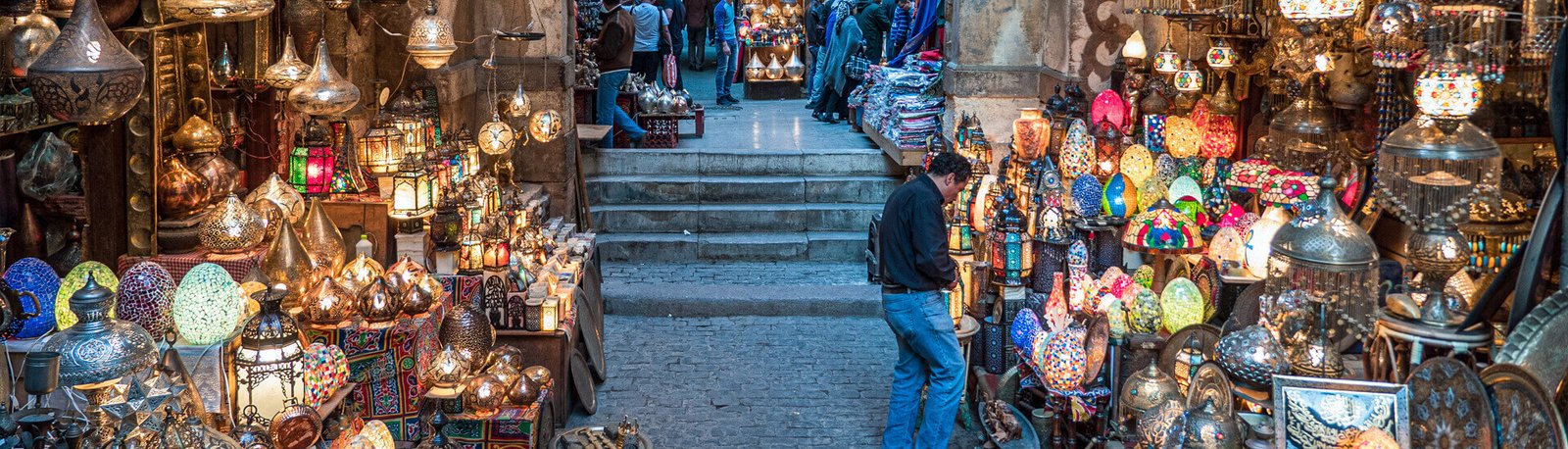
The best souvenirs from Egypt include papyrus paintings, cartouche jewellery engraved with your name in hieroglyphs, alabaster and stone statues, spices and hibiscus tea, essential oils and perfumes, Egyptian cotton, and hand-made brass or copper ware, mostly found in bazaars like Khan El Khalili.
Few countries turn shopping into an adventure quite like Egypt. From the lantern-lit alleys of Cairo’s Khan El Khalili to the calmer stalls of Aswan and the breezy bazaars of the Red Sea resorts, hunting for the perfect keepsake becomes part of the journey itself. This guide gathers the best souvenirs from Egypt, explains what makes each one special, and shares practical advice on where to buy and how to shop well in 2026.
The essential ten: souvenirs that capture Egypt
If you only have room for a handful of treasures, start with these ten. Each one carries a piece of Egyptian craft, history or flavour.
| # | Souvenir | Why it is special |
|---|---|---|
| 1 | Papyrus art | Hand-painted scenes of gods, pharaohs and hieroglyphs on genuine papyrus, ready to frame as timeless wall art. |
| 2 | Egyptian cotton | World-famous bed linen, towels and clothing prized for softness and durability. |
| 3 | Alabaster carvings | Hand-worked statues of pharaohs, deities and cats, glowing softly when held to the light. |
| 4 | Hieroglyphic jewellery | Necklaces, bracelets and rings inscribed with ancient symbols of protection, love and power. |
| 5 | Miniature pyramids | Compact replicas of the Giza wonders in stone, metal or alabaster. |
| 6 | Scarabs | Beetle amulets and charms symbolising rebirth, protection and good fortune. |
| 7 | Perfume bottles | Delicate hand-blown glass, often shaped around Egyptian motifs and filled with fragrant oils. |
| 8 | Copper and brassware | Engraved trays, lamps and vases showcasing traditional metalwork. |
| 9 | Spices | Cumin, coriander, hibiscus and blends such as dukkah, bursting with authentic flavour. |
| 10 | Sphinx and pharaoh statues | Replicas of icons like Tutankhamun and the Sphinx that bring ancient heritage home. |
Twenty-five treasures worth seeking out
Ready to dig deeper? Here is a fuller collection of Egyptian souvenirs, each with a quick buying tip and a suggestion of where to look.
1. Egyptian cotton
Renowned the world over for its long fibres and luxurious feel, Egyptian cotton is a practical yet indulgent buy. Bed linen, towels and clothing all make elegant, hard-wearing gifts. Look for the “100% Egyptian Cotton” label to confirm authenticity, and compare prices between market stalls and upscale stores. Cairo’s Khan El Khalili is a good starting point, alongside textile markets in Luxor and Aswan.
2. Perfume oils and incense
Egyptian perfume oils are concentrated essences, far stronger and longer-lasting than typical Western sprays, often presented in hand-blown glass bottles. Ask for a demonstration, check that bottles are tightly sealed for travel, and seek out dedicated perfume shops in Cairo and Aswan or the many stalls in Khan El Khalili.
3. Papyrus art
Genuine papyrus, made from the ancient reed, carries a distinctive crosshatched texture that separates it from banana-leaf imitations. Choose hand-painted designs for a piece that is truly one of a kind, and buy from reputable outlets such as papyrus institutes in Giza or trusted artisan stalls in Luxor and Aswan.
4. Gold and silver jewellery
Egyptian goldsmiths and silversmiths draw on motifs like the Ankh, the Eye of Horus and the scarab. Look for hallmark stamps that verify purity, feel free to negotiate in the markets, and expect fixed prices in high-end boutiques. The gold district within Khan El Khalili is famous for custom pieces.
5. Handcrafted pottery and ceramics
Hand-painted with traditional motifs, Egyptian pottery makes a characterful decorative buy. Inspect items for cracks, choose smaller pieces for easier transport, and visit the pottery workshops of Fustat in Cairo or markets in Aswan for Nubian designs.
6. Alabaster statues and carvings
Alabaster is one of Egypt’s signature crafts, ranging from tiny figurines to substantial statues, each with a translucent quality when held to the light. Test that translucency to confirm the stone is genuine, keep pieces small to save luggage weight, and watch the artisans at work in the alabaster workshops around Luxor.
7. Leather goods
Handmade bags, sandals and wallets are durable, good-value keepsakes. Favour handmade items to support local craftspeople and inspect the stitching for quality. Khan El Khalili offers affordable choices, while Alexandria’s workshops are known for bespoke designs.
8. Spices and herbs
Egyptian markets overflow with the aromas of cumin, coriander, cinnamon and dukkah. Buy sealed packages for easy transport and stick to small quantities to keep everything fresh. The spice stalls of Aswan and Luxor are especially vibrant.
9. Copper and brassware
For a vintage feel, engraved copper and brass trays, pitchers and lamps make striking keepsakes. Study the craftsmanship for fine detail and be ready to haggle. Khan El Khalili and the workshops of Old Cairo are the places to browse.
10. Shisha pipes
A traditional water pipe is a genuinely eye-catching souvenir, sold in a range of sizes and ornate designs. Pick hand-painted versions for decorative appeal and smaller sizes for easier packing, from the variety at Khan El Khalili to artisan shops in Luxor.
11. Traditional clothing and scarves
Galabeyas and embroidered scarves are a lovely, practical way to carry local culture home. Choose cotton or silk for comfort and try items on before buying. Markets in Luxor and Aswan offer handmade designs, while Cairo boutiques stock premium fabrics.
12. Khayameya textiles
Khayameya, the Egyptian art of tent-making, produces vivid appliqué panels of geometric patterns used as wall hangings, cushion covers or table runners. Look for hand-stitched work and pick smaller pieces for easy packing. Khayameya Street near Bab Zuweila in Cairo is the heart of the trade.
13. Rugs and carpets
Handwoven rugs, rich in traditional patterns and colour, are among the most luxurious things to bring back. Ask about the weaving process to confirm authenticity and fold rather than roll them for transport. Look in Cairo’s markets and specialist carpet shops in Alexandria.
14. Sand bottles
These small glass bottles layered with coloured desert sand depict camels, pyramids or dunes. They are light, inexpensive and charming. Make sure the bottle is well sealed, and browse souvenir shops in Sinai and Hurghada or stalls near the Giza pyramids.
15. Egyptian hats
From Bedouin styles to Nubian designs, traditional hats double as stylish sun protection and cultural keepsakes. Choose handmade versions and try a few for fit. Khan El Khalili and the markets of Aswan and Nubian villages have plenty of options.
16. Egyptian dates
Egypt grows some of the world’s finest dates, including Siwa and Medjool varieties, often beautifully packaged. Look for vacuum-sealed packaging for freshness and explore stuffed or chocolate-coated options. Specialist date shops in Cairo and Luxor, and the markets of Siwa Oasis, are ideal.
17. Ramadan lanterns (fanoos)
The colourful fanoos is one of Egypt’s most iconic decorative items, casting a warm glow as home decor or a gift. Metal or glass lanterns last well, and handmade designs feel most authentic. The El-Ghouria market and the bazaars of Old Islamic Cairo are the classic sources.
18. Egyptian wool scarves
Warm and elegant, wool scarves come in bold patterns and quiet neutrals alike. Check the texture to confirm genuine wool and favour handwoven pieces for finer detail. The souks of Cairo, Luxor and Aswan offer handwoven choices, with premium selections in Khan El Khalili.
19. Miniature pyramids
A timeless desk ornament or gift, small pyramids come in alabaster, basalt and gold-plated metal. Pick a material that suits your taste and buy from reputable vendors. Souvenir shops near the Giza pyramids and craft markets in Luxor and Aswan are reliable.
20. Pharaonic statues
Replicas of Ramses II or Queen Nefertiti bring ancient grandeur into your home in a variety of sizes. Stone or metal pieces feel more authentic, so steer clear of the most mass-produced items. Shops near the Egyptian Museum in Cairo and the markets of Luxor are good hunting grounds.
21. Egyptian cat statues
Representing Bastet, goddess of home and fertility, cat statues are a favourite among lovers of Egyptology. Black basalt or bronze gives a traditional look, and small sizes pack easily. Khan El Khalili and museum gift shops carry a wide range.
22. Scarab beetle
A symbol of rebirth and protection, the scarab appears as jewellery, keychains and standalone ornaments. Hand-carved pieces and those bearing hieroglyphic inscriptions feel most authentic. Look at stalls near the temples of Luxor and Aswan and gift shops around the Cairo Citadel.
23. Ankh cross
The Ankh, ancient symbol of life, makes a striking pendant, pair of earrings or decorative object. Gold or silver versions offer durability and elegance, and artisan-made pieces stand out. Jewellery stores in downtown Cairo and the better shops in Khan El Khalili are worth a look.
24. Dancer figurines
Colourful figurines of Egyptian dancers in traditional costume capture the country’s artistic heritage, often depicting belly dance or Tanoura performances. Hand-painted versions have real charm, and a small set makes a lovely display. Find them in Cairo’s downtown gift shops and craft markets in Luxor and Sharm El Sheikh.
25. Arabic incense
With calming scents such as amber, sandalwood and oud, Arabic incense often comes in elegant boxes and creates a soothing atmosphere at home. Sticks or resin give the most traditional experience, and pairing incense with a burner makes a complete gift. The perfume shops of Khan El Khalili and the spice markets of Luxor and Aswan are the places to buy.

Buying with confidence: what to check
A few high-value categories deserve extra care before you hand over your money.
| Item | What to watch for |
|---|---|
| Gold and silver | Check for purity stamps and be aware that daily gram prices are publicly published, so you can gauge fair value. |
| Perfumes | Understand dilution ratios so you pay for genuine essences rather than heavily diluted imitations. |
| Spices | Beware of cheap saffron substitutes such as safflower, which look similar but cost far less. |
| Antiquities | Buying genuine antiquities or ivory is illegal in Egypt, so avoid these entirely and stick to clearly labelled replicas. |
Ten tips for smarter shopping in 2026
1. Embrace bargaining
In the markets, haggling is expected rather than rude. Vendors typically open high, so counter at around half the asking price and work towards a middle figure, always keeping the exchange friendly and good-humoured.
2. Learn a few Arabic phrases
A little Arabic goes a long way and can even earn you a better price. Try “Bikam?” (how much?), “Ghali awi!” (too expensive!) and “Shukran” (thank you).
3. Shop where locals shop
Tourist-heavy bazaars are convenient but pricier. For fresher spices head to the Aswan spice market, and for handicrafts seek out the workshops of Luxor or Fustat.
4. Verify authenticity
Replicas and lower-quality goods are common, so take time over high-value buys. Ask for certificates on perfumes and papyrus, and inspect the fine detail on alabaster or khayameya work.
5. Carry cash and small change
Most stalls and small shops prefer cash, and small denominations make paying and negotiating easier. Withdraw enough in the cities if you plan to shop in more remote areas.

6. Time your visit well
Markets grow crowded in the middle of the day, so shop early in the morning or later in the evening for a calmer experience, and avoid the peak tourist weeks if you can.
7. Stay comfortable
Outdoor markets can be tiring in the heat, so wear light clothing and comfortable shoes and carry water to stay refreshed.
8. Mind your luggage space
It is easy to over-buy. Leave room in your case for finds, and consider shipping bulkier items such as rugs or pottery home.
9. Support local artisans
Buying directly from craftspeople guarantees authenticity and supports the local economy. Towns such as Aswan and Luxor have workshops where you can watch pieces being made.
10. Take your time
Shopping in Egypt is about the experience as much as the purchase. Linger, chat with vendors and learn the stories behind the pieces, and the souvenirs you carry home will carry their memories too.
Where to shop beyond Cairo
While Cairo’s Khan El Khalili is the great classic, the rest of the country has its own specialities. Luxor and Aswan reward patient browsers with hand-painted papyrus, alabaster and Nubian crafts, while the Red Sea resorts of Hurghada and Sharm El Sheikh add seashell art, embroidered textiles and light, easy-to-pack keepsakes ideal for travellers watching their luggage allowance.
Final thoughts
Shopping in Egypt is a journey through ancient artistry, living craft and colourful markets. Whether you are drawn to hand-painted papyrus, luxurious cotton, fragrant oils or a simple fridge magnet of the pyramids, there is a keepsake for every taste and budget. Take your time, verify quality, negotiate with a smile and buy from the people who make things, and you will come home with treasures that hold both craftsmanship and memory. Happy shopping.