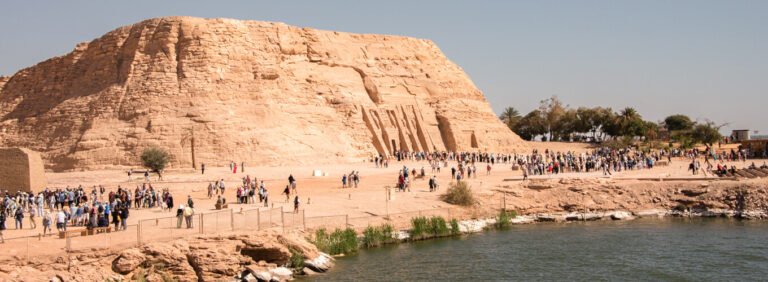
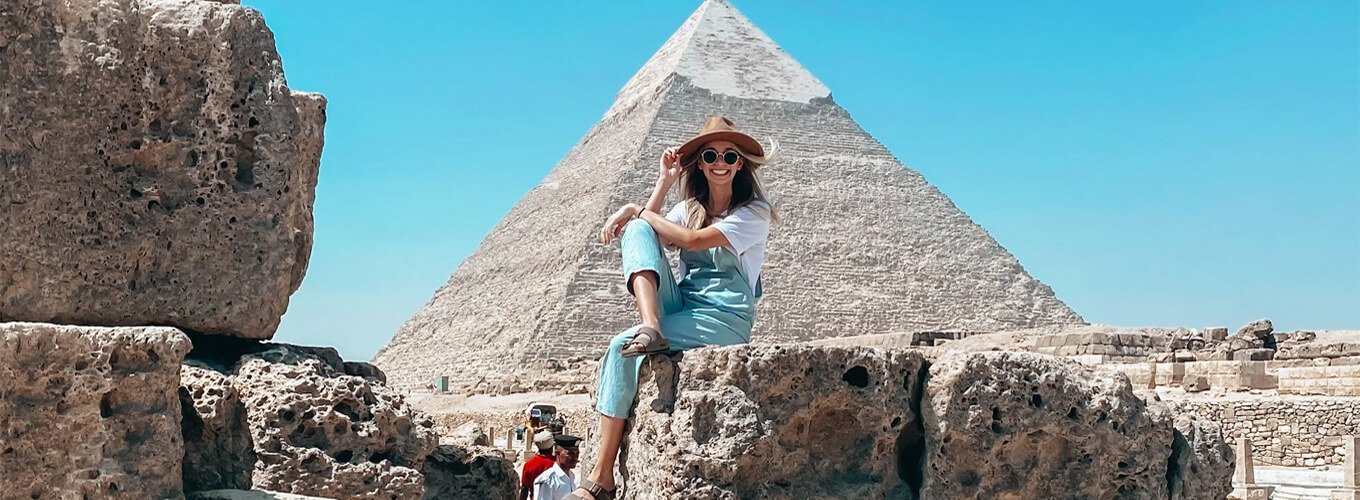
Women visiting Egypt should pack light, breathable clothing that covers shoulders and knees for temples and mosques, a scarf, comfortable walking shoes, sunglasses, a hat and strong sun cream. Modest, loose layers keep you cool and respectful, while swimwear is fine at Red Sea resorts and pools.
Packing for Egypt as a woman means solving one puzzle: how to stay cool and comfortable across genuinely different climates while dressing respectfully, all without dragging a bulging suitcase from city to city. The answer is a smart, mix-and-match kit built around breathable fabrics, modest cuts and a few hard-working accessories.
This guide maps your wardrobe and gear to the conditions you will actually meet, from Mediterranean breezes in the north to dry desert heat in the south, with cool evenings by the Red Sea in between. It also covers the practical extras that quietly make or break a trip: a compact first-aid kit, the right footwear for stone steps and sand, and the correct Type F adapter to keep your devices charged.
How to Use This Packing List
Treat what follows as a menu, not a mandate. Read the whole list once, then trim it to suit your trip length, your route and the season you are travelling in.
Build a Capsule Wardrobe
The goal is a small collection of pieces that all work together. Choose one or two pairs of bottoms and several tops in breathable fabrics that meet modesty guidelines and can be worn across every region. A cohesive colour palette means almost everything mixes and matches, which stretches a handful of items across a long trip.
- Use packing cubes to group outfits by day or destination, which saves real time during transfers and short stays.
- Plan your layers deliberately: a light overshirt or cardigan for air conditioning, a scarf for religious sites, and a compact jacket for cool mornings.
- Pre-plan one modest dress or tunic for evenings, and keep a comfortable travel set for the flight and your first day on the ground.
- List your personal “may need” items now, such as medications and preferred toiletries, and keep documents, a small first-aid pouch and insurance details within easy reach.
Weather and Dress Code, at a Glance
Knowing the climate zones and the dress cues that go with them lets you pack once and stay comfortable everywhere.
The Climate Zones
The Mediterranean coast is milder and wetter in winter. Cairo and the Nile valley run hot, windy and dusty. Upper Egypt and the Red Sea are very dry, with noticeable temperature drops after dark.
Seasonal Temperatures
As a rough guide, spring sits somewhere between 15 and 35°C; summer regularly tops 35°C and can reach the high 40s in the far south; and winters are milder, with daytime highs often around 10 to 20°C and cooler desert nights.
Dressing in Practice
Cover your shoulders and knees with loose, light-coloured fabrics. Airy tops and longer bottoms block the harsh sun and keep you looking respectful in public. Add a layer for buses, air conditioning and breezy evenings, carry a scarf to cover your head at religious sites, and never skip a hat under a strong sun.
Core Clothing: Cool, Comfortable, Modest
Lean on light, loose pieces in breathable materials like linen and cotton. They manage the heat while keeping you tidy at dinners and appropriately covered at sites.
Tops and Dresses
Choose tops with modest necklines and short sleeves that cover the shoulders, and add a lightweight overshirt you can shed as the day warms. One or two maxi dresses or shirt-dresses feel cool and dress up easily with a scarf. If you prefer a shorter hemline, wear leggings underneath to keep your knees covered.
Bottoms
Wide-leg trousers in linen or cotton win on airflow. A single pair of capris and one pair of leggings, worn under longer tops or breezy skirts, cover most situations. Skip heavy denim in peak heat and save jeans for a winter trip when a thicker fabric is welcome.
Evenings and Hotels
For dinner, a modest dress or long trousers with a light blouse and a thin cardigan strikes the right note. Think in terms of rotation: one breathable outfit for day touring, one for evenings, and a backup while others are in the wash.
Footwear for Sand, Stone and Long Days
Archaeological sites mean uneven stones, ramps and dust, so footwear is not the place to cut corners. Aim for grip, breathability and all-day comfort.
- Closed-toe walking shoes: one reliable pair with strong tread for dusty, uneven ground like temple complexes and the pyramid plateau. Break them in at home to avoid blisters on day one.
- Supportive sandals: one trusted pair for hot afternoons and casual wear.
- Flip-flops: a lightweight pair reserved for the pool, the beach or a Red Sea break, which keeps your main shoes clean.
Pack a little blister care, choose breathable socks, and resist the urge to break in brand-new white trainers you would rather not age on a dusty trip.
Hard-Working Accessories
The right extras keep you protected, respectful and secure through long days of sightseeing and market wandering.
Sun Protection
Assume the sun is intense most of the time. Pack a wide-brimmed hat, UV400 sunglasses, high-SPF sunscreen and an SPF lip balm to shield your face and neck. Foldable shades and a stowable hat save space and earn their place at open sites and by the water.
Scarves and Shawls
A lightweight scarf is perhaps the single most versatile item you can bring. Drape it over your shoulders for sun cover, pull it over your head at mosques, or use it as an extra layer on chilly, air-conditioned buses.
Bags That Travel Well
Choose a cross-body or anti-theft daypack with secure zips and internal pockets to reduce pickpocket risk in crowds. Keep the contents minimal, phone, small wallet, tissues and sanitiser, and add a slim belt pouch or an inner-pocket wallet as a backup. Neutral tones keep everything looking coordinated.
Health, Hygiene and Just-in-Case Items
A few reliable medical and hygiene items in your day bag keep small hiccups from derailing a day.
First-Aid Basics
Assemble a compact kit with plasters, blister plasters, pain relief, an anti-diarrhoeal, rehydration salts, antiseptic cream and an antihistamine cream. Add motion-sickness remedies if buses or boats tend to unsettle you, and a small tube of antiseptic for cuts and sandal rubs.
Hygiene on the Go
Carry hand sanitiser, travel wipes and tissues, since some public and smaller hotel restrooms lack supplies. A light anti-chafe stick and breathable underlayers earn their keep as the temperature climbs and the walking hours stretch on.
Mosquito Strategy
Mosquitoes turn up in the warmer months, especially near water. Bring a reliable repellent and a lightweight long-sleeved layer for the evenings. Keep daily medications and any essential items in your personal carry-on for quick access.
Beach and Red Sea Add-Ons
If the coast is on your route, pack a small dedicated beach module so you can shift from ruins to reef with ease.
- Swimwear: one swimsuit plus a modest cover-up you can slip on for hotel corridors and the walk to the shore. Resorts are relaxed about standard swimwear, but switch to more modest outfits once you leave resort grounds.
- Footwear: sandals that grip wet decks and sandy paths.
- Extras: a small quick-dry towel that shakes off grit, a compact water bottle for between snorkel sessions, and a flight-friendly dry bag to keep damp items away from the rest of your luggage.
Tech, Power and Money
Keep your essential tech, hydration and cash within easy reach so long days at sites and markets never slow you down.
Power and Connectivity
Bring a Type F adapter (two round pins) and a reliable power bank so your phone and camera survive long museum and site days. A local SIM or eSIM keeps maps and messaging working when hotel Wi-Fi is sluggish and cuts your data costs.
Packing Aids and Money
Packing cubes group outfits by region or activity and speed up every hotel switch. Carry a reusable water bottle with a sleeve of electrolyte tabs for the hot, dry days, and keep a minimal wallet with small bills for tips plus a backup card stored separately. Back up your documents to your phone and the cloud, keep paper copies in your luggage, and stage an adapter, power bank and a change of clothes in your carry-on in case your flight arrives late.
What to Leave at Home
Avoiding a few classic mistakes saves space, weight and stress.
- Revealing outfits. Short shorts, mini skirts and low-cut tops clash with local expectations. Choose modest, breathable alternatives that still feel stylish.
- Heavy hiking boots. Most sites have paved or maintained paths, so supportive walking shoes give you the grip and comfort you need without the bulk.
- Unsecured handbags. Open totes are risky in busy markets; a zippered cross-body or anti-theft bag protects your phone and wallet.
- Single-use evening looks. Pack pieces that dress up easily rather than outfits you will wear only once.
- High-watt hair tools unless they are dual-voltage, as most hotels provide basic dryers.
- Surplus gadgets and heavy guidebooks. Apply a simple test: if you will not use it most days, leave it out.
Final Checklist
Before you zip your bag, run through the essentials. Check the seasonal temperatures and set your layers accordingly. Prioritise supportive shoes for long walking days, and pack a scarf for your shoulders and head at religious sites. Anchor your outfits with breathable tops, trousers, leggings and a dress or two that carry you from day to night. Keep a small tech kit with a Type F adapter and power bank, confirm your travel insurance before you fly, and carry reusable water plus a few small bills for tips. If the Red Sea is on your itinerary, add that compact beach module. Use this list as your starting point, then fine-tune it after day one to match what you actually reach for, and you will travel lighter and enjoy far more of the trip.