December is one of the best months to visit Egypt, with mild, sunny days around 20-23 degrees C in Cairo and warmer in the south. It is ideal for the pyramids, Nile cruises and temples, though it is peak season, so book hotels, cruises and Christmas or New Year travel well ahead.
There is a particular quality to Egypt’s winter light: low, golden, and forgiving, it softens the edges of ancient stone and turns even a crowded temple into something photogenic. December brings that light together with mild temperatures and comfortable touring hours, which is why so many travellers rank it among the best months to visit. Daytime highs generally sit around 52 to 73 degrees Fahrenheit (11 to 23 degrees Celsius), giving you long, easy days among pyramids, temples, and museums without the exhausting summer heat.
What is Egypt like in December?
- Mild weather and roughly ten hours of daylight make December ideal for a full sightseeing schedule.
- Book major sites and stays ahead of time, and travel with comprehensive insurance.
- Signature experiences include a Nile cruise, Philae Temple, the Grand Egyptian Museum, and Red Sea snorkelling.
- Remote destinations such as Siwa need advance planning, while the deserts reward photographers.
- Pack layers, sun protection, and comfortable walking shoes for long days on your feet.
Why December suits a relaxed itinerary
The combination of gentle temperatures and generous daylight lets you pace a trip rather than endure it. Start early at the Pyramids of Giza before the queues build, reserve the midday hours for shaded cafes or air-conditioned galleries, and keep the evenings for unhurried walks through markets and riverside quarters.
The trade-off is popularity. December and early January are peak season, and the weeks around Christmas and New Year draw the biggest crowds. Reserve timed entries, domestic transport, and popular tickets well ahead to sidestep long waits and inflated prices, and keep your plans flexible enough to swap a heaving landmark for a quieter neighbourhood when the lines swell.

Weather and daylight across the country
Expect gentle sunshine and comfortable highs that make wandering ruins and promenades a pleasure. Cairo and Luxor typically run between 52 and 73 degrees Fahrenheit (11 to 23 degrees Celsius) by day, Aswan sits a little warmer, and the Red Sea resorts stay mild to warm enough for beach and snorkel time.
The best hours to be outdoors
With around ten hours of daylight, the smart rhythm is to spend early mornings and the late-afternoon golden hour on outdoor touring and photography, then use the middle of the day for museums, shaded markets, or a long lunch to conserve energy.
Why layers matter
Desert nights cool quickly, so pack a light fleece or an insulated layer plus a scarf for sunrise outings and after-dinner strolls. If you will be sailing or near the coast, add a wind layer, and always carry sun protection, a refillable bottle, and closed-toe shoes for the uneven stones underfoot at temple sites.
Crowds, logistics, and staying safe over the holidays
Festive dates fill public spaces, so plan with a little flexibility. Identify the busiest days around the holiday weeks and lock in lodgings, domestic transport, and limited-entry experiences early, aiming for timed or first-entry slots where they exist. Choose comprehensive travel insurance that covers medical emergencies, cancellations, delays, and lost luggage, and carry ID, a backup payment method, and a separately stored photocopy of your passport. Build buffer time for security checks and traffic, stagger your big-ticket visits so none feels rushed, and for any remote leg confirm road conditions, fuel, and permits before you go.
Cairo and Giza
Arriving early at Giza buys you cooler air, softer shadows, and far fewer buses; that first hour delivers cleaner photographs and a calmer experience before the crowds arrive.
The Pyramids and the Sphinx
Reach the pyramids at opening and plan your photo stops for early or late light, which softens the shadows across the limestone. Wear modest clothing and comfortable walking shoes, since the stones and sand are uneven, and bring sun protection and water.
The museums
Split the day between open-air sites and indoor galleries to make the most of the daylight. The Egyptian Museum downtown and the newer halls at the Grand Egyptian Museum both hold masterworks that reward a slower pace.
Khan el-Khalili and Old Cairo
Wander the markets for spices, textiles, and small crafts, where good-natured haggling is part of the experience, then finish with a riverside stroll along the Nile to set ancient engineering against the energy of the modern city. Allow extra time for security checks and traffic so the day stays relaxed.
Luxor and the Valley of the Kings
Luxor’s riverbanks and temple avenues shift character with the light, and the mild winter days let you linger at the great monuments without the heat cutting your visit short.
Karnak and Luxor Temples
Plan around the light: mornings bring out the crisp relief detail at Karnak, especially in the hypostyle hall, while the evening illuminations at Luxor Temple create a very different, dramatic mood. Choose one for photography and the other for quieter exploring.
The royal tombs and Hatshepsut
Give the Valley of the Kings plenty of time, choosing a selection of open tombs and moving slowly through the decorated corridors. Do not miss Queen Hatshepsut’s terraced mortuary temple, whose cliff-side setting and reliefs open a vivid window onto the past.
A sunrise balloon
A dawn balloon flight over the West Bank rewards you with sweeping views of fields, river bends, and scattered sites, and the calm winter air makes early flights steady and picture-ready. Carry water, pace the stair climbs, bring a small torch for dim tombs, and spread the major visits across two days to keep the trip restful.
Aswan
Aswan is a place for slow travel, where boat rides, island lanes, and market alleys add up to a gentle, memorable day.
Philae Temple
Glide across calm water to Philae and time your arrival for the golden hour, when low winter sun flatters the columns and reliefs; keep spare camera batteries warm and ready.
Elephantine Island and Nubian culture
Spend a few hours on Elephantine Island among ruins, gardens, and colourful village life that showcases living Nubian heritage, then add a quick stop at the High Dam for views over Lake Nasser and wander the Aswan souk for spices and keepsakes. December’s mild weather makes boat rides and island walks a pleasure, so hydrate, ask before photographing residents, and consider a sunset felucca to close the day on the water.
Experiences on the Nile
Drifting along the Nile feels like moving through layers of history, with palm-lined shores and calm decks offering slow moments to watch village life pass by. Water levels are steady late in the season, so sailing stays comfortable, and mild afternoons in the mid-60s to low-70s Fahrenheit make deck time and shore walks easy.
Felucca or cruise ship?
Pick a felucca for a quiet, wind-powered day close to the river, or a multi-day cruise to link the major temples and towns, save overland time, and relax between stops. Consider cabin placement for quieter nights, pack a light jacket for cool mornings and sun protection for midday, and shoot at sunrise and sunset when reflections sharpen the colours. Leave a little cushion around embarkation and disembarkation so the travel days stay smooth.
The Red Sea in winter
Coastal days turn mild and clear this month, with rare rain and fresh breezes that make reef time and beach walks especially pleasant. Dahab suits easy shore-entry dives and a laid-back pace, while Sharm el-Sheikh and Hurghada offer a wider range of dive sites and amenities.
Snorkelling and diving
Water clarity stays excellent and calmer seas improve visibility for boat dives and day trips, so pack a rash guard or shorty if you tend to chill after a long session. The reefs suit first-timers and seasoned snorkellers alike.
Beach time and sun sense
Air and water are refreshing rather than hot, so bring a light layer for breezy evenings and schedule a beach day between temple-heavy excursions. Midday sun can still be strong, so use reef-safe sunscreen, wear a hat and sunglasses, and keep eco-friendly habits front of mind to protect the fragile coral.
Siwa Oasis and the Western Desert
Siwa’s remoteness makes the journey part of the experience, a world of silence and stars reached by long overland drives or limited flights. Facilities are simpler than in the major hubs, so confirm road conditions, fuel, and local schedules first, and carry cash since ATMs are sparse and shops may close early. Once there, float in the shimmering salt lakes, soak in the hot springs, and explore the hilltop ruins and the Temple of Amun. Days are pleasant for walking and nights are crisp and starry, so pack layers for stargazing, respect conservative dress in the villages, and leave no trace.
The White and Black Deserts
The White Desert’s sculpted chalk towers and the obsidian-dusted cones of the Black Desert feel genuinely otherworldly at dawn. Plan golden-hour stops to catch the soft side light that reveals texture, and shield your lens, because fine sand finds every opening. December’s cooler days make long rambles practical, but the nights drop fast, so pack insulated layers, gloves, a hat, sturdy boots, and a headlamp with a red-light mode for astrophotography. Carry ample water, snacks, and a small first-aid kit, check fuel and recovery gear before setting out, keep permits and ID handy at checkpoints, and stay on marked paths to protect the fragile formations.
Alexandria on the Mediterranean
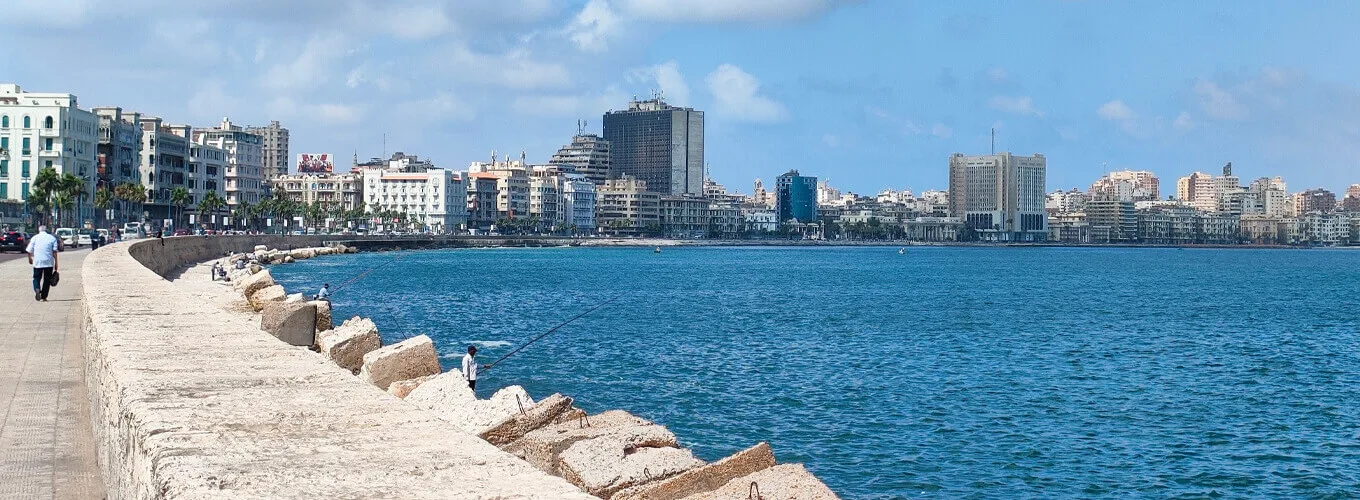
Alexandria offers a coastal counterpoint to the inland cities, blending museums, sea air, and layered history. Visit the monumental Bibliotheca Alexandrina for its rotating exhibitions and research halls, then step out to the Corniche for wide harbour views and a brisk walk. Greco-Roman traces turn up at small archaeological sites and quiet museums that reward an unhurried visit. Dress for coastal wind with light layers and a windbreaker, keep an eye on opening hours, and aim for blue-hour photographs as the city lights shimmer against the sea.
Festivals and New Year
December layers a rich cultural programme over any itinerary. The Cairo International Film Festival spreads screenings across theatres and cultural venues, so scan the schedule early, book tickets near your neighbourhood, and arrive ahead of start time for better seats and the occasional Q&A. As Christmas approaches, expect decorated streets, concerts, and community gatherings, while New Year’s Eve brings fireworks and late-night energy to city squares and coastal promenades; plan transport and a meeting point if you are in a group, or watch from a calmer riverside or sea-view dinner. Coptic Christmas on 7 January extends the festive mood for many, so dress in layers for cool evenings and confirm museum hours around the holidays.
Museums and ancient treasures
Egypt’s galleries are cool, quiet spaces where royal objects and everyday items tell layered stories. At the Egyptian Museum and the open halls of the Grand Egyptian Museum, prioritise the headline funerary art first, then leave time to linger over pottery, tools, and jewellery that reveal daily life. Use morning entry or a late-afternoon slot to dodge the peak crowds, pair a museum morning with nearby sites for an efficient day, bring a light layer for cool galleries, and check for time-limited special exhibitions during your visit.
Markets and souvenirs
A market is an immersive lesson in local life. At Khan el-Khalili or a regional souk you will find papyrus art, handcrafted jewellery, and fragrant spices. Compare workmanship across stalls before buying, look for authentic motifs such as cartouches, scarabs, and ankhs in jewellery, choose whole spices for lasting aroma, and ask for a simple receipt on higher-value items. Haggling is part theatre and part courtesy, so smile, name your price, and enjoy the exchange, keeping small notes handy for quick purchases and tips. Ask before photographing vendors and cushion fragile souvenirs among your clothes for the journey home.
What to eat this month
Follow your nose from bakeries to grills and you will quickly learn the rhythm of Egyptian dining.
Staples and breakfasts
Mornings start with ful medames, soft fava beans dressed with lemon, cumin, and olive oil alongside warm bread, while midday calls for koshari, that comforting tangle of rice, lentils, pasta, and chickpeas under tomato sauce and crisp onions.
Grills, sweets, and drinks
Order a mixed grill of kebab and kofta with tahini, salads, and flatbread, and save room for basbousa or another semolina sweet that suits a cool evening. Fresh sugarcane juice brightens a sunny afternoon, and aromatic cardamom coffee revives you after long museum hours. Ask about ingredients if you have dietary needs, stick to trusted sources for drinking water, and balance quick street snacks with a proper sit-down meal.
Packing and what to wear
Expect varied days, since city streets, river breezes, and desert nights each call for different gear. Build around breathable base layers that dry fast, then add a couple of packable layers to handle cool mornings and brisk evenings. Choose modest clothing that covers shoulders and knees for sacred sites and local neighbourhoods, and carry a scarf for quick modesty and dust protection. Pick two pairs of sturdy, grippy shoes and rotate them so one can dry while you wear the other, and pack SPF, a brimmed hat, sunglasses, a power bank, and a universal adapter.
Budget, booking, and getting around
Airfares from North America vary widely by origin and booking window, so book early for the holiday weeks. As a rough guide, budget hotels run around 25 to 60 USD per night, mid-range options 60 to 130 USD, and luxury climbs higher, while domestic flights often fall between 60 and 180 USD depending on route and timing. Trains and private cars link the major cities scenically, and taxis or reputable rideshare apps are plentiful in larger towns. Lock in better prices by reserving flights and stays a few months ahead, mix modes by flying the long hops and taking trains or cars for shorter scenic legs, and cluster nearby sites on the same day to cut down on backtracking.

Travelling responsibly
A few mindful choices help preserve Egypt’s natural and cultural treasures. Stick to marked paths and respect the buffer zones around sensitive archaeological sites, and watch birdlife from a distance at wetlands and reserves such as Zaranik and Wadi El Rayan. On the Nile, conserve water and pack out your litter. Favour community-run lodgings, buy from artisans, and eat locally to keep income in the towns, cut single-use plastics with a reusable bottle and bag, use reef-safe sunscreen at the Red Sea, and always ask before photographing people or sacred places.
Final thoughts
The secret to December in Egypt is to choose a handful of signature experiences and leave room for the small discoveries in between. Anchor the trip with the Pyramids of Giza, the temples of Luxor, and a sail on the Nile, then add a Red Sea beach day or a desert outing for contrast, and balance the headline sites with neighbourhood markets where daily life plays out. Book the key pieces early around the holidays, pack modest layers for cool evenings, travel with respect for the country’s heritage, and let the season’s soft light and gentle pace do the rest.