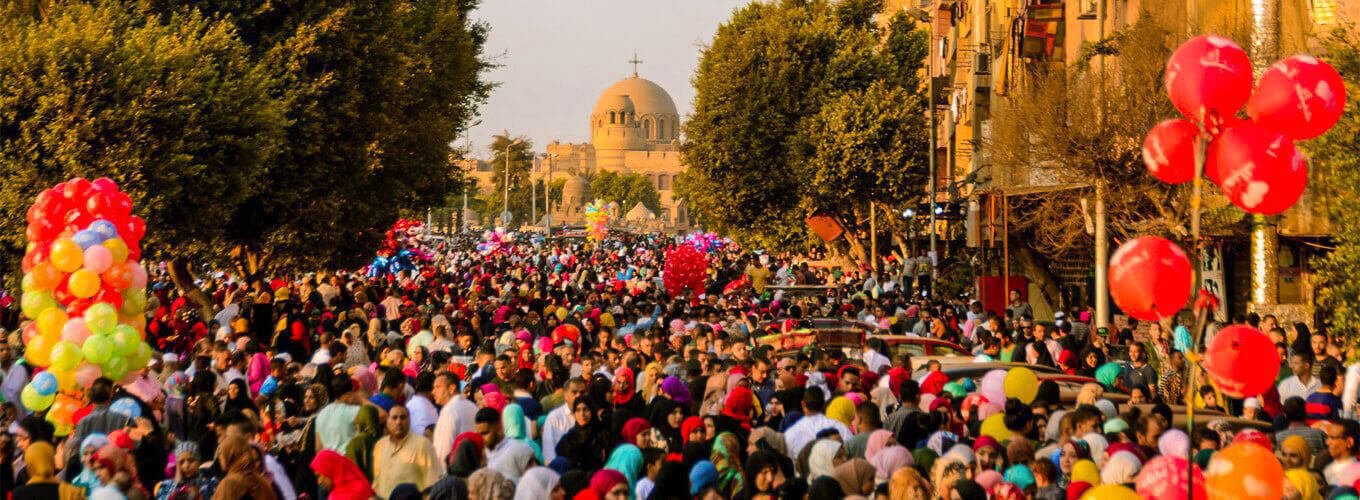
Egypt’s most notable cultural events include the Abu Simbel Sun Festival (22 February and 22 October), when sunlight lights the temple’s inner sanctuary, the Cairo International Film Festival each November, Sham El-Nessim spring celebration, and lively local moulids with Sufi music, food and processions.
Can a single sunrise inside an ancient temple, or a night of open-air cinema in a buzzing city, change the way you understand a country? In Egypt, the calendar is full of exactly these moments, where millennia-old ritual sits comfortably beside modern music, film and art. From the twice-yearly solar alignment at Abu Simbel to the glamour of the Cairo International Film Festival each November, the year offers a steady stream of vivid, lived experiences.
This guide helps you match your interests, whether faith, film, music or family fun, to the right season, and reminds you how to take part respectfully: dress modestly, ask before taking photographs, and remove your shoes in sacred spaces. Do that, and the country’s festivals open up in a way no monument alone can match.
A Calendar Where Ancient Meets Modern
Egypt’s festival year runs on two clocks at once. Some events are fixed to the solar calendar and fall on the same dates each year; others follow the lunar cycle and drift, so a little planning pays off.
The result is a rhythm in which Pharaonic-rooted revivals like the Opet procession share the calendar with the Cairo International Film Festival and the summer season at the Cairo Opera House. Temple ceremonies, the spring feast of Sham El-Nessim, and Sufi moulids such as Moulid Al-Hussein all mark moments communities genuinely cherish. Street music and daytime processions spill into city stages and riverbanks, so ordinary neighbourhood life often becomes part of the spectacle. Use this article as a compass: balance a couple of headline events with the quieter local rites where you will actually meet people keeping these traditions alive.
Spring: Sham El-Nessim and Coptic Easter
Spring delivers a lovely contrast, solemn worship by night and joyful picnics by day.
Sham El-Nessim
Falling on the Monday after Coptic Easter, Sham El-Nessim traces its roots back to ancient spring festivals. Families flock to the banks of the Nile and to city parks to picnic, share green onions and swap brightly coloured eggs. It is relaxed, welcoming and thoroughly family-friendly.
Coptic Easter
The night before, Coptic Easter is marked by candlelit services that stretch well past midnight, ending a long fast with festive meals. The following morning, many head outdoors to continue the celebration with friends and relatives.
Where to join in
Look for informal music and gatherings in public gardens and along riverside promenades in Alexandria, Cairo and smaller Nile towns. Dress modestly, bring a simple picnic, ask before photographing private moments, and double-check the church calendar so you land on the right Sunday and Monday.
Living Heritage: Abu Simbel, Opet and Wafaa El-Nil
Some events collapse the distance between past and present entirely.
The Abu Simbel Sun Festival
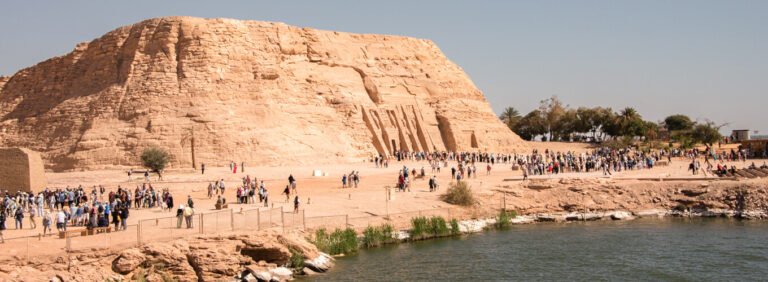
Twice a year, on 22 February and 22 October, dawn sunlight penetrates deep into the temple of Ramses II to illuminate the statues in its inner sanctuary, a deliberate feat of ancient astronomical design. Arrive before first light; the crowd often falls silent as the beam creeps across the sacred figures, and gentle storytelling and music round out the morning.
The revived Opet procession
In Luxor, a modern revival of the Opet festival stages a symbolic boat procession between the temples of Karnak and Luxor, echoing New Kingdom ritual and reaffirming local pride in a heritage that still shapes public life.
Wafaa El-Nil
Held in mid-August, Wafaa El-Nil honours the Nile with community ceremonies, riverbank performances, music and occasional dance, a celebration of the waterway that made Egyptian civilisation possible.
Watching respectfully
Keep your footprint light: don’t block others’ sightlines, ask before photographing sacred moments, and bring a layer for the dawn chill. These are rituals as much as shows, so watch, listen and let the setting speak.
Screens, Stages and Soundscapes
Egypt’s contemporary cultural scene is thriving, from seaside sets to grand city halls.
Jazz by the Red Sea
The Red Sea coast hosts a jazz festival that pairs beach-town ease with serious musical credentials: open-air stages, masterclasses with visiting players and late-evening sets by international acts.
Film seasons in Cairo and Alexandria
Each November, the Cairo International Film Festival brings premieres, panels and masterclasses that spotlight global and local cinema. In October, the Alexandria Mediterranean Film Festival adds coastal screenings, discussions and awards. Across the summer, the Cairo Opera House programmes orchestral concerts, ballet and folk dance from roughly June to August. Book masterclasses early, keep an eye out for pop-up gigs in cafés, and pair daytime shows with nearby museums.
Sufi Spirit: Moulids and Street Celebrations
When a moulid arrives, entire streets turn into stages for music, dance and nightly processions, lit by lanterns and lined with food stalls where neighbours share sweets and stories.
Moulid El-Nabi marks the Prophet Muhammad’s birthday with chanting, processions and small gifts, the rhythm building through the evening. Moulid Al-Hussein, centred on Cairo’s Al-Hussein Mosque, draws large but welcoming crowds for zikr and devotional music. In Luxor, the procession of Abu Al-Haggag fills the streets with banners, horses and drumming, and storytellers who tie today’s celebration to the region’s deep history and heritage.
To join in gracefully, follow local cues, accept the tea you are offered, and always ask before photographing anyone at prayer. Arrive early to learn the layout, keep walkways clear and dress modestly to show respect for the community.
Planning Your Festival Trip
A few well-chosen days can transform an ordinary visit into a memorable one.
Timing the year
If the Abu Simbel alignment is a priority, plan around 22 February or 22 October. Spring travellers can catch Sham El-Nessim just after Coptic Easter, while November suits film lovers and mid-August brings Wafaa El-Nil. Build in buffer days, schedules shift and popular sites fill up early, so confirm timings locally and arrive ahead of dawn gatherings or evening screenings.
Etiquette for guests
Lead with respect: wear modest clothing that covers shoulders and knees, remove your shoes in sacred areas when asked, and always seek permission before photographing people or rituals. Greet people warmly, give space during solemn moments, and support local artisans and food stalls.
Tips by travel style
Families will enjoy daytime parks and Nile-side strolls; art lovers can string together museum visits with evening screenings and talks; music fans should follow venue calendars for pop-up sets and late-night jams along the coast and in the cities. Whatever your style, pack light layers, water and sunscreen, and base yourself near the event hubs to cut travel time. Learning a few Arabic greetings goes a long way, too.
Beyond Cairo: Coast, Desert and Oasis
Away from the capital, celebrations become more intimate.
The Red Sea and Sinai
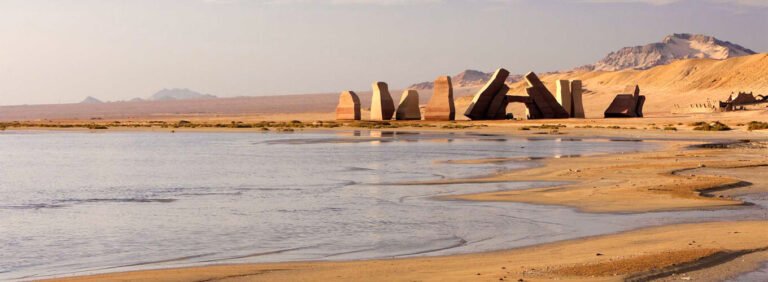
The coast offers seaside music nights and sandy amphitheatres, including a well-regarded jazz gathering in Sharm El-Sheikh and smaller meet-ups that blend diving culture with conservation. Expect stargazing sessions, waterfront sets and hands-on workshops on reef care and night dives.
Oasis harvest traditions
Autumn in Siwa revolves around the date harvest, when neighbours share meals, songs and craft demonstrations, a vivid reminder of how food, craft and daily life are rooted in place. Look for art markets and pop-ups selling basketry and salt-carved ornaments, and quiet workshops where you can buy directly from makers. Balance daytime swims or hikes with evening performances, carry cash for crafts, and always ask before photographing people or their work.
Conclusion
It is often the small scenes, a courtyard recital, a dawn rite, a shared picnic, that become the memory you carry home. Egypt’s festivals keep its history and heritage vividly alive precisely because they invite you to take part rather than simply observe. From Sham El-Nessim eggs to the golden glow of the Abu Simbel sun festival, from Sufi processions to open-air jazz, each event builds a bridge across time.
Respect the local etiquette, dress modestly, ask before you photograph, and remove your shoes in sacred spaces, and your curiosity will help sustain the community life you have come to witness. Treat this as an open invitation: a single festival really can change the way you see a place.